





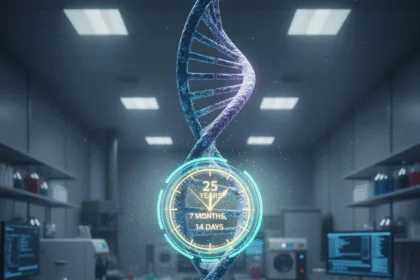
Forensic Epigenetics: Reading Age from Human DNA
How can scientists determine a person's age from a single tooth? This article delves into the groundbreaking field of forensic epigenetics, exploring how DNA methylation…
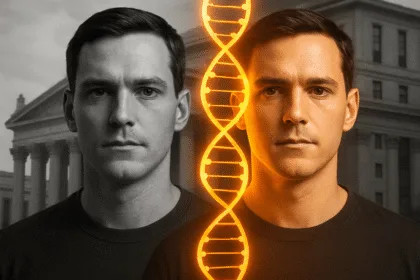
DNA Analysis Leads to Landmark Conviction of Identical Twin in 1987 Rape Cold Case
n a U.S. first, a rape cold case from 1987 was solved when Parabon Nanolabs used next-generation sequencing to identify a unique somatic mutation, leading…
RNA Degradation in Forensics: Breaking the Time Barrier in Crime Scene Analysis
RNA Degradation Forensic Science Molecular Clock Time Since Deposition Crime Scene Investigation Forensic DNA Analysis Forensic Pathology Molecular Autopsy Digital Forensics Forensic Biology

SNaPshot vs. MPS: Revolutionizing Body Fluid Identification in Forensic Genetics
A new study comprehensively compares SNaPshot and Massively Parallel Sequencing (MPS) for forensic body fluid identification using DNA methylation markers, revealing their strengths, limitations, and…

Understanding Human Chimerism: Genetic Phenomenon Explained
Explore the science of human chimerism, its types, detection methods, and implications in medicine and law. Learn how this genetic phenomenon challenges traditional DNA concepts.

Understanding the Genetic Differences Between Identical and Fraternal Twins
Delve into the genetic distinctions between identical and fraternal twins, and how forensic science differentiates between the two in criminal investigations and paternity disputes.
The Human Genome Project: A Historic Milestone in Genetic Research
The Human Genome Project was a collaborative effort to sequence and map the entire human genome, completed in 2003, two years ahead of schedule. The…
HiFi Sequencing Enables the First Complete Sequence of a Human Genome
Discover how HiFi sequencing enabled the first complete human genome, adding 200 million base pairs and unlocking centromeric and acrocentric regions for genetic research.

Forensic Genomics: Blazing New Trails in Solving Cold Case
Explore how advances in forensic genomics and genetic testing are revolutionizing the resolution of cold cases, with insights from the newly launched journal, Forensic Genomics.

Majority of People Unwilling to Share DNA, Trust is Low
Explore insights from the largest-ever international survey on genomics, highlighting public distrust in sharing DNA for research and its implications for forensic applications.