





Crime Scene Sketching and Measurements: Methods, Scales and Worked Examples
Learn crime scene sketching and measurements with baseline, rectangular coordinates, triangulation, polar bearings, scale conversion, precise diagrams and worked forensic examples.
Crime Scene Investigation Tools and Equipment: Complete Field Kit Guide
A practical field guide to crime scene investigation tools, core and specialist CSI kits, PPE, photography, biological and trace evidence collection, packaging, equipment quality and…
Forensic Evidence Recovery Sequence: DNA, Fingerprints, Trace Evidence and Impressions
How should investigators sequence DNA swabbing, latent fingermarks, trace evidence and footwear impressions? A scientific guide with decision tables, case examples and evidence-preservation safeguards.
Crime Scene Search Patterns: Grid, Strip, Spiral, Zone and Wheel Methods
Compare five crime scene search patterns, learn when each works, and avoid coverage gaps with forensic examples, a method-selection table, diagrams and field checklists.
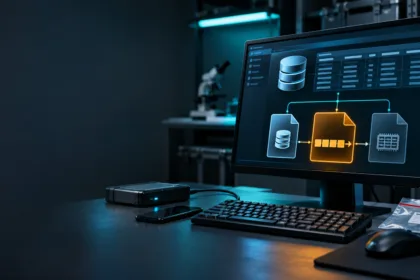
SQLite WAL Files in Digital Forensics: Recovery, Preservation and Interpretation
Learn how SQLite write-ahead logs affect mobile and computer forensic examinations, including preservation, record recovery, timestamps and reporting limitations.
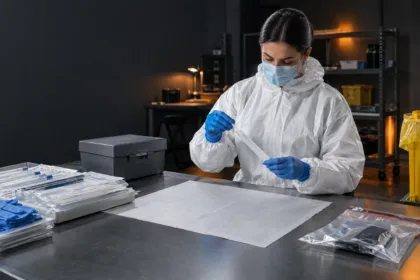
Crime Scene Contamination Prevention: PPE, Zoning and Cross-Transfer
A practical guide to preventing crime scene contamination through appropriate PPE, clean/dirty zones, controlled equipment, safe evidence handling and incident response.
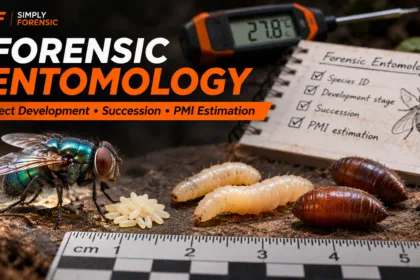
Forensic Entomology: Insect Development, Succession and Postmortem Interval Estimation
How forensic entomology uses insect life cycles, species succession and temperature-based growth models to estimate a minimum postmortem interval, including uncertainties and evidence collection.
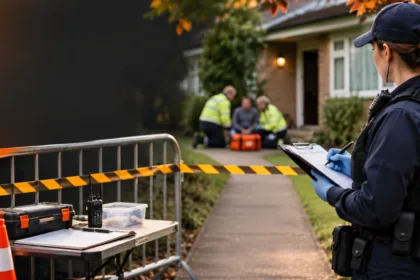
First Responder at a Crime Scene: Safety, Scene Protection and Handover
A practical guide for first responding officers on crime scene safety, emergency care, boundary security, entry logs, evidence preservation and forensic investigator handover.
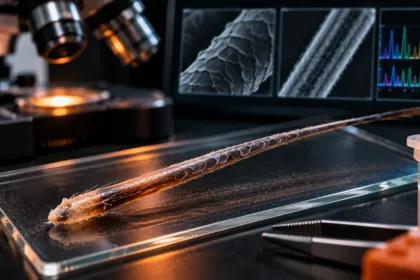
Hair Examination in Forensic Science: Microscopy, DNA Analysis and Evidential Limitations
Learn forensic hair examination from collection and comparison microscopy to nuclear and mitochondrial DNA, including interpretation limits, case examples and reporting.
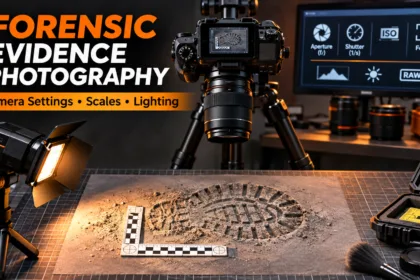
Forensic Camera Settings, Scales and Lighting: A Practical Evidence Photography Guide
A technical guide to forensic camera settings, photographic scales, focus, depth of field and lighting. Learn how to document evidence accurately, control distortion and preserve…
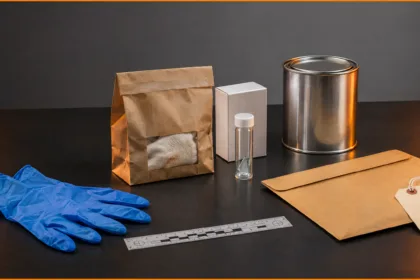
Crime Scene Evidence Preservation and Packaging: A Practical Guide
Learn how to preserve and package biological, trace, document and fire-debris evidence. Includes a packaging matrix, contamination safeguards, worked examples and a field checklist.
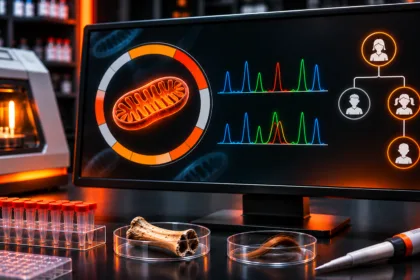
Forensic mtDNA Interpretation: Heteroplasmy, Haplogroups and EMPOP Database Searches
A comprehensive forensic mtDNA interpretation guide covering point and length heteroplasmy, sequence comparisons, EMPOP frequency estimates, maternal-lineage limitations and scientific reporting.