


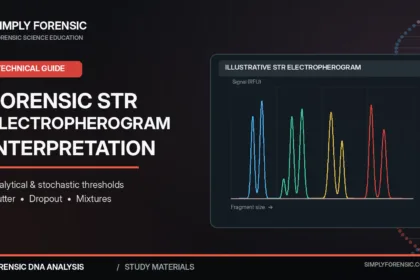
Forensic STR Electropherogram Interpretation: Analytical and Stochastic Thresholds, Stutter, Dropout and Mixtures
Interpret forensic STR electropherograms using validated analytical and stochastic thresholds, stutter assessment,…
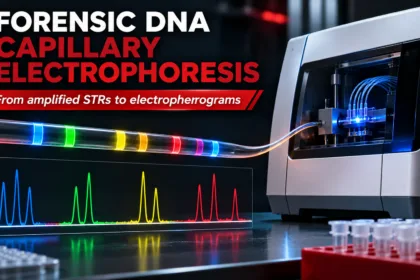
Forensic DNA Capillary Electrophoresis: Principles, Instrumentation, Electropherograms and Troubleshooting
Understand forensic capillary electrophoresis for STR profiling: DNA fragment separation, size standards,…
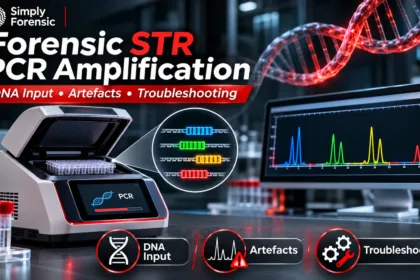
Forensic STR PCR Amplification: Principles, DNA Input, Artefacts and Troubleshooting
Technical guide to forensic STR PCR amplification, multiplex chemistry, DNA input, degradation,…
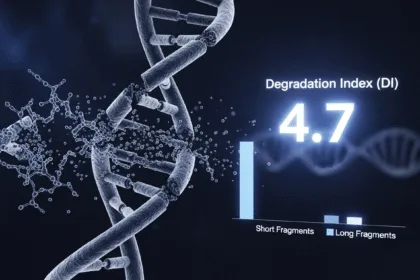
Forensic DNA Quantification Using Real-Time PCR: Human DNA, Degradation Index and Inhibition
Learn how forensic DNA quantification by real-time PCR measures human and male…
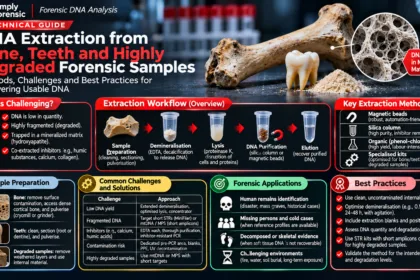
DNA Extraction from Bone, Teeth and Degraded Human Remains: Methods and Forensic Challenges
Learn forensic DNA extraction from bone, teeth and degraded remains, including demineralisation,…
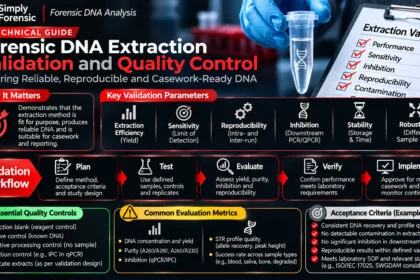
Forensic DNA Extraction Validation and Quality Control: Studies, Controls and Acceptance Criteria
Learn how forensic laboratories validate DNA extraction methods, assess recovery and inhibition,…
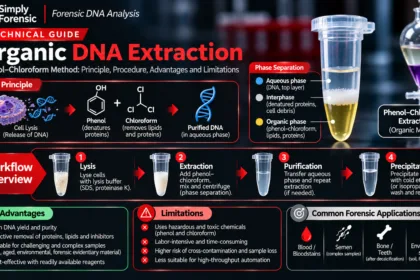
Organic DNA Extraction Using Phenol-Chloroform: Principle, Procedure, Advantages and Limitations
Learn organic DNA extraction using phenol-chloroform: cell lysis, phase separation, DNA recovery,…
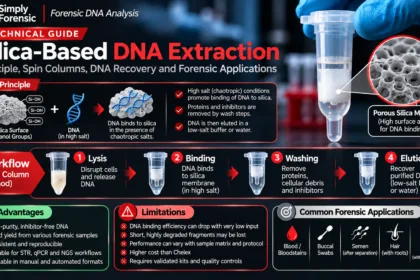
Silica-Based DNA Extraction: Principles, Spin Columns, DNA Recovery and Forensic Applications
Learn silica-based DNA extraction for forensic evidence: silica binding chemistry, spin-column workflow,…
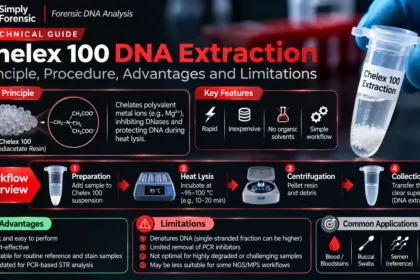
Chelex 100 DNA Extraction: Principle, Procedure, Advantages and Limitations
Explore Chelex 100 DNA extraction in forensic science, including chelation chemistry, heat…
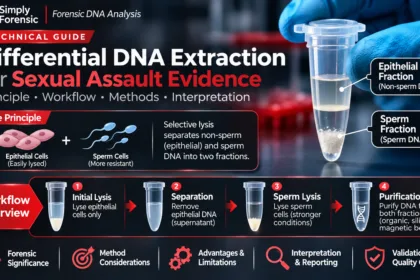
Differential DNA Extraction for Sexual Assault Evidence: Principle, Workflow and Interpretation
Understand differential DNA extraction for sexual assault evidence: selective lysis, sperm and…
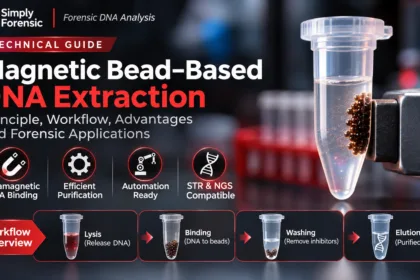
Magnetic Bead-Based DNA Extraction: Principle, Workflow and Forensic Applications
Learn how magnetic bead-based DNA extraction works in forensic laboratories, from DNA…
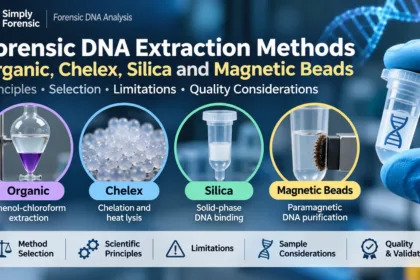
Forensic DNA Extraction Methods: Organic, Chelex, Silica and Magnetic Beads
Compare organic, Chelex, silica and magnetic bead forensic DNA extraction methods, including…
Forensic Method Validation: From Study Design to Reliable Reporting
Understand developmental and internal validation, accuracy, precision, limitations, validation data, and how…
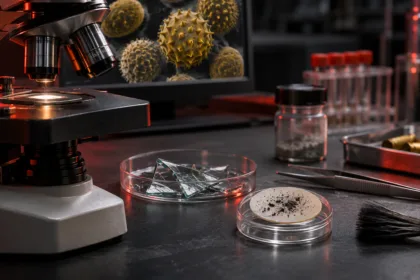
5 Forensic Facts About Pollen, Glass, Gunshots and Hidden Digital Evidence
Can pollen reveal a location? Can glass fragments be compared? Discover five…
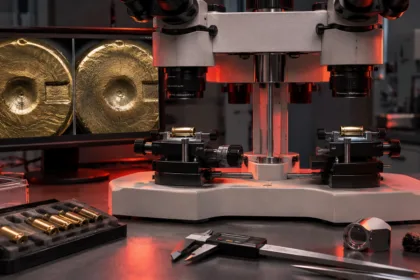
NIST OSAC Adds Two Firearm and Toolmark Standards in November 2026
NIST’s OSAC Registry added two firearm and toolmark standards on November 3,…
Forensic Error Rates: Why Inconclusive Results Matter
A practical explanation of false positives, false negatives, inconclusive decisions and the…
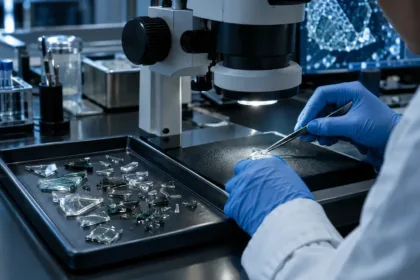
Forensic Glass Analysis: Refractive Index, Elemental Composition and Interpretation
How glass fragments are recovered, compared by refractive index and elemental methods,…
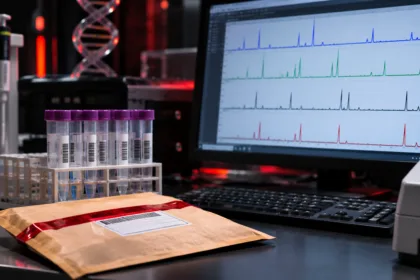
Y-STR Evidence Helps Close Melissa Ann Smith’s 1974 Cold Case After 52 Years
Utah investigators used preserved Y-STR evidence and other findings to close Melissa…
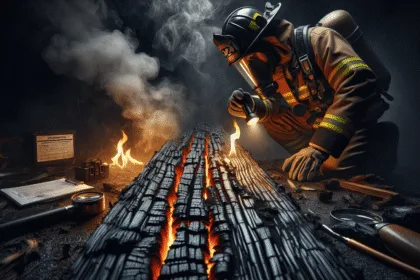
Fire Debris Analysis: How Laboratories Detect Ignitable Liquid Residues
How forensic laboratories extract and interpret ignitable liquid residues in fire debris…
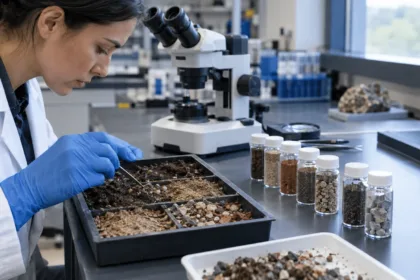
Forensic Geology: How Soil and Mineral Evidence Is Compared
Explore forensic geology, soil evidence recovery, mineralogical and chemical comparison, variation between…