


A toothache does not always mean you need a root canal, but certain symptoms should not be ignored. A tooth that continues hurting, reacts strongly to temperature, or develops swelling may be showing signs of a deeper problem inside the tooth.
- Why Recognizing Root Canal Symptoms Early Matters
- What Happens Inside a Tooth That Needs a Root Canal?
- 1. Persistent or Severe Tooth Pain
- 2. Sensitivity That Lingers After Hot or Cold Foods
- 3. Pain When Biting or Chewing
- 4. Swollen or Tender Gums Around a Tooth
- 5. A Darkened or Discolored Tooth
- 6. A Recurring Pimple or Bump on the Gum
- 7. Tooth Pain That Comes and Goes
- Can You Need a Root Canal Without Severe Pain?
- Common Reasons Teeth Require Root Canal Treatment
- Deep Tooth Decay
- Cracked or Injured Teeth
- Previous Dental Procedures
- What Happens During Root Canal Treatment?
- Why Delaying Treatment Can Create Bigger Problems
- How a Dentist Determines If You Need a Root Canal
- Finding Root Canal Care in Houston
- Final Thoughts
- Frequently Asked Questions
Many people wait until discomfort becomes severe before seeking treatment. However, some dental problems become more difficult to manage when they are allowed to progress. Understanding the warning signs can help you recognize when it may be time to schedule a professional evaluation.
Root canal treatment is designed to save a tooth when the inner pulp, which contains nerves and blood vessels, becomes infected or severely damaged. The goal is to remove the affected tissue, clean the inside of the tooth, and restore its function.
For patients looking for dental care in Houston, TX, knowing these symptoms can help you decide when to contact a dentist rather than trying to manage ongoing discomfort on your own.
Why Recognizing Root Canal Symptoms Early Matters
The inside of a tooth contains a soft area called the pulp. This part of the tooth provides nutrients and sensation during development. However, when bacteria reach this area through decay, cracks, or injury, inflammation or infection can occur.
A tooth infection does not always start with dramatic symptoms. Some people notice mild sensitivityIn the context of laboratory equipment or analytical techniques, the term "sensitive" describes the capability of a machine or method to detect even very small amounts or concentrations of a substance. Sensitivity is a quantitative Read Full Definition first, while others experience sudden pain.
Early evaluation can help determine the actual cause of the problem. Not every toothache requires a root canal, but ignoring persistent symptoms may allow the condition to become more complicated.
A dentist can evaluate your tooth using a combination of your symptoms, examination, and diagnostic imaging to determine the appropriate treatment.
What Happens Inside a Tooth That Needs a Root Canal?
A healthy tooth has protective outer layers that help shield the inner pulp. When decay or damage reaches deeper areas, bacteria can enter and affect the pulp tissue.
This may lead to:
- Inflammation inside the tooth
- Infection around the root
- Increased sensitivity
- Pain or pressure sensations
When the pulp cannot heal on its own, a dentist may recommend root canal therapy to remove the damaged tissue and preserve the tooth.
The treatment does not remove the entire tooth. Instead, it focuses on cleaning and restoring the inside structure.
7 Warning Signs You May Need Root Canal Treatment
1. Persistent or Severe Tooth Pain
One of the most common signs that a tooth may need attention is ongoing pain. The discomfort may feel sharp, throbbing, or difficult to ignore.
Some patients notice pain that interferes with daily activities, sleep, or eating. Others experience discomfort that comes and goes but continues returning over time.
Persistent tooth pain does not automatically mean you need a root canal. Cavities, gum problems, cracked teeth, and other conditions can cause similar symptoms.
However, ongoing pain is a reason to schedule an examination with a dental professional.
2. Sensitivity That Lingers After Hot or Cold Foods
Many people experience occasional sensitivity when consuming hot or cold foods. However, the duration of the discomfort can provide important clues.
If pain continues for an extended period after the temperature trigger is removed, it may indicate irritation or inflammation affecting the inner part of the tooth.
Examples include:
- Pain after drinking hot coffee
- Sharp discomfort from cold beverages
- Sensitivity that remains after eating ice cream
A dentist can determine whether the sensitivity is related to enamel issues, decay, exposed tooth structure, or pulp irritation.
3. Pain When Biting or Chewing
A tooth that hurts when you apply pressure may be showing signs of a deeper issue.
Pain while chewing can occur because of:
- Infection around the tooth root
- Tooth cracks
- Damaged fillings
- Inflammation inside the tooth
Some patients describe the feeling as pressure, tenderness, or a sharp sensation when biting down.
If one specific tooth consistently hurts when chewing, it is worth having it examined rather than waiting for the problem to resolve on its own.
4. Swollen or Tender Gums Around a Tooth
Changes in the gums surrounding a tooth can sometimes indicate infection.
You may notice:
- Swelling near one tooth
- Gum tenderness
- Redness
- A feeling of pressure in the area
In some cases, an infected tooth can create an abscess. This is a pocket of infection that may develop near the root.
Swelling should not be ignored, especially if it is accompanied by facial swelling, fever, or difficulty swallowing. These symptoms may require prompt dental attention.
5. A Darkened or Discolored Tooth
A tooth that becomes darker than the surrounding teeth may indicate changes inside the tooth.
Discoloration can occur for different reasons, including injury, internal changes, or previous trauma.
A dark tooth does not always require a root canal, but it should be evaluated. A dentist can determine whether the discoloration is related to internal tooth damage or another cause.
6. A Recurring Pimple or Bump on the Gum
Some people notice a small bump on the gum that appears, disappears, or releases fluid.
This type of bump may be associated with an infection that is draining through the gum tissue.
Even if the discomfort decreases after drainage, the underlying problem may still remain.
A dental evaluation is important because symptoms improving temporarily does not always mean the infection has been eliminated.
7. Tooth Pain That Comes and Goes
Not all serious dental problems create constant pain.
Some people experience episodes where a tooth hurts for a few days, improves, and then returns later.
Recurring symptoms may indicate that the tooth is experiencing ongoing irritation or damage.
If the same tooth repeatedly causes discomfort, scheduling an appointment can help identify the cause before the problem becomes more advanced.
Can You Need a Root Canal Without Severe Pain?
Yes, it is possible for a tooth to require root canal treatment without causing intense pain.
In some situations, the nerve inside the tooth may become damaged over time. A dentist may discover a problem during a routine examination or through dental imaging even when the patient has minimal symptoms.
This is why regular dental visits remain valuable. Some dental issues are easier to treat when discovered before they become painful emergencies.

Common Reasons Teeth Require Root Canal Treatment
Several dental problems can affect the inner pulp of a tooth.
Deep Tooth Decay
A cavity begins in the outer layers of the tooth. If untreated, decay can continue deeper until it reaches the pulp.
At that stage, a simple filling may no longer be enough.
Cracked or Injured Teeth
A crack can allow bacteria to reach the inner part of the tooth. Dental trauma from accidents, sports injuries, or other impacts may also affect the pulp.
Some injuries cause immediate symptoms, while others create problems months or years later.
Previous Dental Procedures
Repeated procedures on the same tooth may sometimes contribute to irritation or structural changes.
A dentist evaluates the condition of the tooth before determining whether root canal therapy is appropriate.
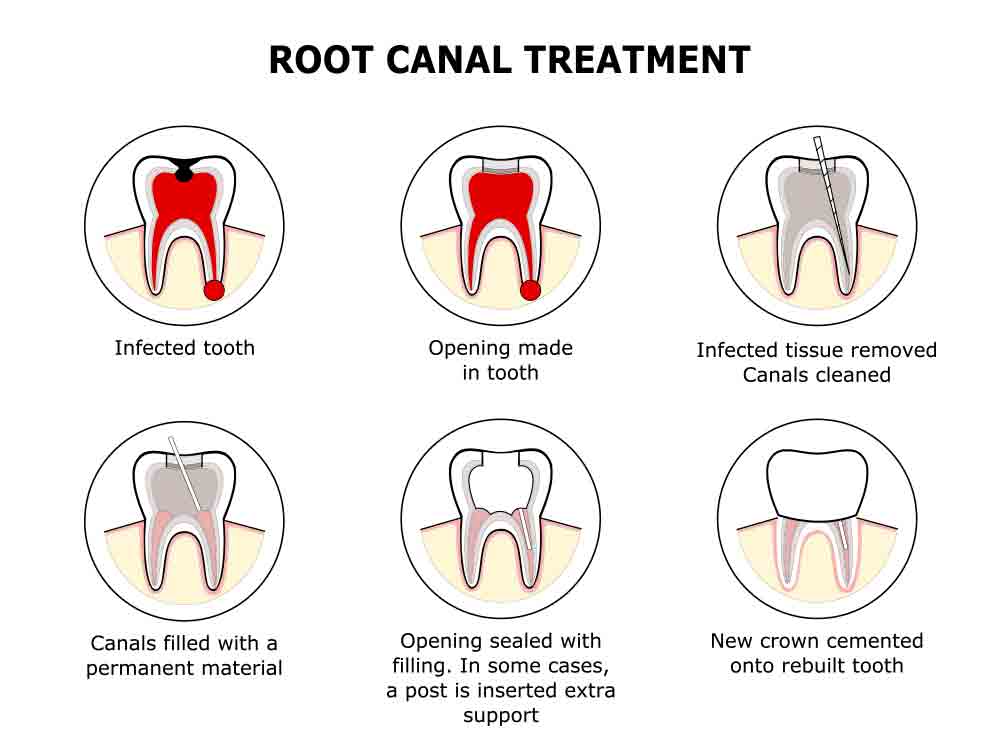
What Happens During Root Canal Treatment?
Many patients feel nervous when they hear the term root canal, but understanding the process can make the treatment feel more manageable.
During treatment, the dentist typically:
- Numbs the affected area.
- Creates access to the inside of the tooth.
- Removes infected or damaged pulp tissue.
- Cleans and shapes the root canals.
- Seals the tooth.
- Restores the tooth as needed.
The final restoration may involve a crown or another protective treatment depending on the tooth’s location and remaining structure.
The purpose of the procedure is to preserve the natural tooth and eliminate the source of infection.
Why Delaying Treatment Can Create Bigger Problems
Some patients postpone treatment because symptoms are manageable. However, dental infections do not always improve without professional care.
Delaying treatment may allow:
- Infection to spread
- Pain to increase
- More tooth structure to be lost
- Treatment options to become more complicated
Seeking care early allows your dentist to evaluate the situation and discuss the most appropriate options.
How a Dentist Determines If You Need a Root Canal
A dentist does not recommend a root canal based on pain alone.
The evaluation may include:
- Reviewing your symptoms
- Checking the tooth response
- Examining surrounding gums
- Taking dental X-rays
The dentist considers all available information before recommending treatment.
If a root canal is not necessary, another treatment approach may be recommended.
Finding Root Canal Care in Houston
Choosing the right dental provider is important when dealing with tooth pain or possible infection. Patients should look for a dental practice that explains treatment options clearly and helps them understand why a specific procedure is recommended.
At Smile4Ever Family Dentistry, patients can receive guidance about tooth concerns, treatment options, and preventive dental care based on their individual needs.
For those searching for a root canal dentist Houston, having a provider who focuses on patient education can make the treatment process easier to understand.
Whether symptoms are mild or severe, professional evaluation is the best way to determine what is happening inside the tooth.
Final Thoughts
Knowing the signs you may need a root canal can help you recognize when a tooth problem requires attention. Persistent pain, lingering sensitivity, swelling, discoloration, and chewing discomfort are all reasons to schedule a dental evaluation.
Not every toothache means you need root canal therapy, but ignoring ongoing symptoms can allow dental problems to progress.
If you notice changes in your teeth or experience recurring discomfort, seeking professional dental care Houston services can help identify the cause and protect your smile.
Early diagnosis gives you more information about your options and helps you make informed decisions about your oral health.
Frequently Asked Questions
How do I know if my tooth pain means I need a root canal?
Persistent pain, lingering sensitivity, swelling, or discomfort when chewing may indicate a problem inside the tooth. A dentist must examine the tooth to determine whether root canal treatment is necessary.
Can a tooth need a root canal without hurting?
Yes, some teeth may require treatment even without severe pain. Internal damage or infection can sometimes be discovered through dental examinations or X-rays before major symptoms appear.
How long can I wait if I think I need a root canal?
It is best not to delay evaluation of possible tooth infection. Waiting may allow the problem to progress, making treatment more complex and potentially affecting surrounding tissues.


