


Dark patches can appear gradually and may look very different from one person to another. Some develop after acne, while others notice pigmentation after spending time in the sun. Hormonal changes, skin irritation, and certain medications can also contribute to uneven skin tone.
- Understanding Why Hyperpigmentation Happens
- Identifying the Type of Pigmentation
- Treatment Options for Uneven Skin Tone
- Topical Skincare
- Chemical Peels
- Laser and Light-Based Treatments
- Microneedling and Combination Approaches
- How to Choose the Right Treatment
- Building Personalized Hyperpigmentation Treatment Plans
- Why One Treatment Does Not Fit Everyone
- Combining Professional Care With Home Skincare
- Adjusting the Plan Over Time
- Sun Protection Is Part of Pigmentation Care
- Mistakes That Can Make Pigmentation Worse
- What to Expect From Professional Pigmentation Care
- Exploring Aesthetics in Mount Kisco
- How to Prepare for a Consultation
- Final Thoughts
- FAQs
Because the cause can vary, treating hyperpigmentation is not always as simple as choosing one cream or procedure. A treatment that works well for one person may not be the right choice for another.
The first step is understanding what type of pigmentation you have and what may be causing it. From there, a skincare professional can discuss suitable options and help you create realistic goals.
Professional Hyperpigmentation Treatment may involve topical skincare, professional procedures, or a combination of approaches. The right choice depends on your skin condition, pigmentation pattern, and how your skin responds to treatment.
For people considering Hyperpigmentation Treatment in Mount Kisco, understanding the available options can make it easier to have a useful conversation during a professional consultation.
Understanding Why Hyperpigmentation Happens
What Hyperpigmentation Means
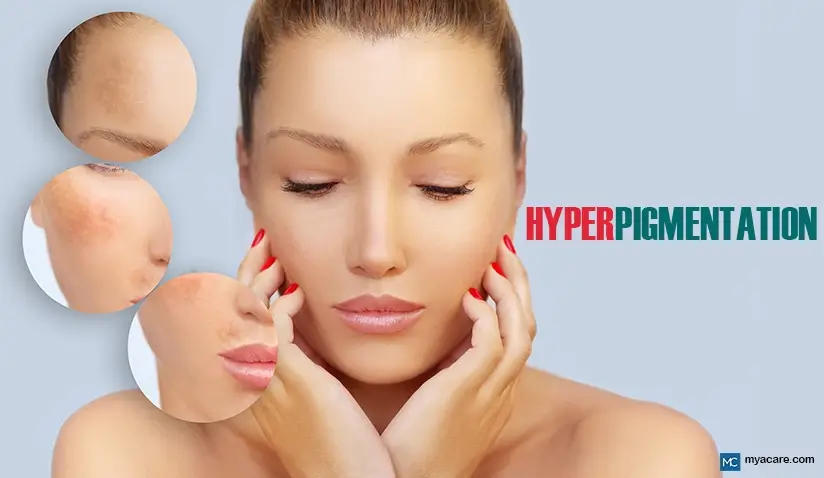
Hyperpigmentation occurs when areas of the skin become darker than the surrounding skin because of increased melanin production or distribution.
It can appear on many areas of the body, including:
- Face
- Forehead
- Cheeks
- Upper lip
- Neck
- Hands
The appearance can range from small dark spots to larger patches.
Common Triggers Behind Dark Spots
Several factors can contribute to pigmentation changes.
Sun Exposure
Ultraviolet exposure can stimulate melanin production. Repeated sun exposure may make existing pigmentation more noticeable and can contribute to new dark spots.
This is one reason sun protection is an important part of managing pigmentation.
Acne and Skin Inflammation
Dark marks can remain after an acne breakout has healed. These marks are often referred to as post-inflammatory hyperpigmentation.
Picking or irritating breakouts can increase inflammation and may make discoloration more noticeable.
Hormonal Changes
Hormonal changes can contribute to certain pigmentation concerns, including melasma.
Melasma commonly appears as larger patches of darker skin, particularly on areas exposed to the sun.
Skin Irritation
Some skincare products or treatments can irritate the skin. In some people, inflammation caused by irritation may contribute to darker marks.
This is why using strong products without understanding your skin’s needs can sometimes make pigmentation concerns harder to manage.

Identifying the Type of Pigmentation
Post-Inflammatory Hyperpigmentation
This type of pigmentation can develop after acne, irritation, or other inflammation.
The original skin problem may disappear, but darker areas remain behind.
Treatment usually focuses on reducing the appearance of discoloration while preventing additional irritation.
Sun-Related Dark Spots
Long-term sun exposure can contribute to visible dark spots and uneven skin tone.
These spots may become more noticeable over time, particularly on areas that receive frequent sun exposure.
Melasma
Melasma often appears as broader patches rather than individual spots.
It can be influenced by factors such as hormonal changes and sun exposure.
Because melasma can be persistent, treatment often requires ongoing management rather than a single procedure.
Treatment Options for Uneven Skin Tone
Topical Skincare
Topical products are often considered when pigmentation is mild or when skincare is being used alongside professional treatment.
Depending on individual needs, a professional may recommend products containing ingredients designed to support a more even-looking skin tone.
These products may work gradually, so consistency matters.
Why Professional Guidance Helps
Not every active ingredient is suitable for every skin type.
Using too many strong products at once can cause irritation. That irritation may make pigmentation concerns more noticeable.
A professional can help determine which products fit your skin and how they should be introduced.
Chemical Peels
Chemical peels use specific solutions to exfoliate targeted layers of the skin.
Depending on the type and strength, a peel may help improve:
- Uneven skin tone
- Surface discoloration
- Dull appearance
- Certain pigmentation concerns
The appropriate peel depends on the person’s skin condition and treatment goals.
Laser and Light-Based Treatments
Some pigmentation concerns may be treated with laser or light-based procedures.
These treatments use controlled energy to target specific skin concerns.
However, pigmentation treatment requires careful planning because different skin types and pigmentation conditions can respond differently.
A professional should determine whether a laser or light-based treatment is appropriate rather than selecting one based solely on popularity.
Microneedling and Combination Approaches
Microneedling creates controlled micro-injuries in the skin to support the body’s natural repair process.
In some treatment plans, it may be considered alongside other skincare approaches.
Combination treatments can sometimes address more than one concern at the same time, such as pigmentation and uneven texture.
The combination should be selected based on the individual’s skin rather than following a standard package.
How to Choose the Right Treatment
Start With the Cause
The most useful treatment discussion starts with identifying what may be causing the pigmentation.
For example, post-acne marks may need a different approach from melasma or sun-related spots.
Treating the visible discoloration without addressing the underlying trigger may limit long-term improvement.
Consider Your Skin Type
Skin type and tone can influence how the skin responds to professional treatments.
A treatment plan should consider:
- Skin sensitivityIn the context of laboratory equipment or analytical techniques, the term "sensitive" describes the capability of a machine or method to detect even very small amounts or concentrations of a substance. Sensitivity is a quantitative Read Full Definition
- Current pigmentation
- Previous treatments
- Healing response
- Sun exposure
This information helps a provider decide which options may be appropriate.
Set Realistic Expectations
Pigmentation often develops over time, so improvement may also take time.
Some people may notice changes sooner than others. The number of treatments and the response to skincare can vary significantly.
A realistic treatment plan focuses on gradual improvement rather than promising instant results.
Building Personalized Hyperpigmentation Treatment Plans
Why One Treatment Does Not Fit Everyone
Two people may have similar-looking dark spots but completely different causes.
For example, one person may have pigmentation after acne, while another may have melasma.
Their treatment needs may therefore be different.
This is why hyperpigmentation treatment plans should be based on the individual’s skin and goals.
Combining Professional Care With Home Skincare
Professional treatments are only one part of pigmentation management.
A provider may recommend a home routine that supports the treatment process.
This can include:
- Gentle cleansing
- Moisturizing
- Appropriate active ingredients
- Daily sun protection
The exact products should be selected according to individual skin needs.
Adjusting the Plan Over Time
Skin can respond differently as treatment progresses.
A provider may adjust the plan depending on:
- Visible improvement
- Skin sensitivity
- New pigmentation
- Treatment response
This flexible approach can be useful when pigmentation is persistent or changes over time.
Sun Protection Is Part of Pigmentation Care
Why UV Exposure Matters
Sun exposure can make pigmentation more noticeable and may contribute to new discoloration.
Without proper protection, even successful treatment may be harder to maintain.
Sun protection should therefore be considered part of a broader pigmentation routine.
Make Protection a Daily Habit
Useful habits may include:
- Applying broad-spectrum sunscreen
- Reapplying as directed
- Wearing protective clothing
- Seeking shade when possible
Consistency is more useful than applying sun protection only on particularly sunny days.
Mistakes That Can Make Pigmentation Worse
Overusing Strong Skincare Products
More active ingredients do not always mean better results.
Using multiple strong products at once can irritate the skin. Inflammation may then contribute to additional discoloration.
A simple routine that your skin tolerates may be more appropriate than an aggressive routine.
Picking at Acne
Picking or squeezing breakouts can increase inflammation and potentially leave darker marks.
Managing active acne and avoiding unnecessary irritation can help reduce the risk of additional pigmentation.
Skipping Professional Assessment
Trying random products or treatments without knowing the type of pigmentation can waste time and potentially irritate the skin.
Professional assessment can help determine whether the concern is related to acne, sun exposure, melasma, or another cause.
What to Expect From Professional Pigmentation Care
During the Consultation
A consultation should give you an opportunity to discuss your concerns and goals.
The provider may assess:
- Pigmentation pattern
- Skin condition
- Previous treatments
- Current skincare routine
You can also ask questions about treatment options and expected recovery.
During the Treatment Process
The treatment experience depends on the procedure selected.
Some options may require little downtime, while others can involve temporary redness, sensitivity, dryness, or peeling.
Your provider should explain the expected experience before treatment begins.
Aftercare Matters
Following aftercare instructions can support the skin during recovery.
You may be advised to temporarily avoid certain products or activities.
It is important to follow the specific instructions provided for your treatment rather than changing your routine without guidance.
Exploring Aesthetics in Mount Kisco
Finding Care Close to Home
People considering professional pigmentation care may want a provider that is convenient to visit and offers treatments suited to their concerns.
Those researching Aesthetics in Mount Kisco can compare providers based on consultation quality, treatment options, professional experience, and approach to personalized care.
Look Beyond a Single Treatment
A good skincare plan is not necessarily defined by one procedure.
The right approach may involve a combination of professional treatments and home care.
The goal is to create a plan that fits your skin instead of choosing a treatment simply because it is popular.
How to Prepare for a Consultation
Bring Your Current Skincare Routine
Tell the provider about the products you currently use.
This can include:
- Cleansers
- Exfoliants
- Prescription products
- Serums
- Sunscreen
Knowing your routine helps the provider understand what your skin is already exposed to.
Explain Your Main Concern
Be clear about what bothers you most.
You may want to address:
- Dark spots
- Uneven tone
- Melasma
- Acne marks
- Sun-related discoloration
Clear goals make it easier to discuss suitable treatment options.
Ask About Maintenance
Pigmentation can return or become darker when triggers continue.
Ask how your skin should be maintained after treatment and what steps can help reduce future discoloration.
Final Thoughts
Hyperpigmentation can have different causes, and that is why treatment should not follow a single formula.
Topical skincare, chemical peels, laser treatments, microneedling, and combination approaches may all have a role depending on the individual’s skin and pigmentation concerns.
The first step is identifying the type of discoloration and understanding what may be contributing to it. From there, professional guidance can help create a treatment approach based on your specific needs.
A personalized hyperpigmentation treatment plan can also change over time as your skin responds and your goals develop.
For those considering pigmentation care locally, professional Hyperpigmentation Treatment in Mount Kisco can provide an opportunity to discuss treatment choices and develop realistic expectations for improving uneven-looking skin.
FAQs
What is the most effective treatment for hyperpigmentation?
There is no single treatment that works best for every pigmentation concern. The appropriate option depends on the cause, skin type, severity, and individual response. A professional assessment can help identify suitable choices.
Can hyperpigmentation completely disappear with treatment?
Some pigmentation concerns can become significantly less noticeable, but results vary. Certain conditions may require ongoing management because pigmentation can return when triggers such as sun exposure or inflammation continue.
How long does hyperpigmentation treatment usually take?
Treatment timelines vary according to the type of pigmentation and the approach selected. Some people may notice gradual changes over several weeks, while others may need multiple treatments and ongoing skincare.


