


A child’s dental needs are not the same as an adult’s. Children are still developing their teeth, jaws, and oral hygiene habits, while adults may need care for wear, decay, gum problems, missing teeth, or cosmetic concerns.
- What Children Need From Dental Care
- Dental Treatments Commonly Used for Children
- Dental Care Needs for Adults
- How Adult Dental Treatment Can Differ
- Why Family Dental Care Can Be Convenient
- How to Prepare Children for Dental Visits
- How Adults Can Prepare for Treatment
- Signs That You Should Schedule a Dental Visit
- Building Better Oral Health Habits at Home
- Choosing the Right Dental Practice
- What Good Dental Care Looks Like Over Time
- Making Dental Care Part of Family Life
- Final Thoughts
- FAQs
This difference means dental visits should be based on age, oral health, lifestyle, and individual needs. A young child may need help learning how to brush correctly, while an adult may need treatment for an existing dental problem or regular preventive care.
Good oral health starts with basic habits but does not stop there. Regular dental examinations allow problems to be identified before they become more difficult to manage.
Understanding the types of care available for children and adults can help families make better decisions about their oral health.
What Children Need From Dental Care
Early Visits Help Establish Healthy Habits
Children can benefit from seeing a dental professional early in life. These visits allow the dental team to monitor developing teeth and help parents understand how to care for their child’s mouth.
Early appointments can also make dental visits feel more familiar. A child who becomes comfortable with the dental environment may have an easier time maintaining regular appointments as they grow.
Parents can also learn practical information about brushing, flossing, diet, and habits that may affect developing teeth.
Preventive Care Is Especially Important
Children’s teeth can be vulnerable to cavities. Regular preventive care helps identify areas that may need attention.
A child’s routine may include:
- Dental examinations
- Professional cleanings
- Fluoride treatments when appropriate
- Guidance on brushing and flossing
- Monitoring of developing teeth
Teaching Children to Care for Their Teeth
Children need guidance because brushing technique and consistency can change as they grow.
Parents may need to supervise brushing for younger children and encourage good habits as children become more independent.
Making brushing part of a daily routine can help children understand that oral care is a normal part of looking after their health.
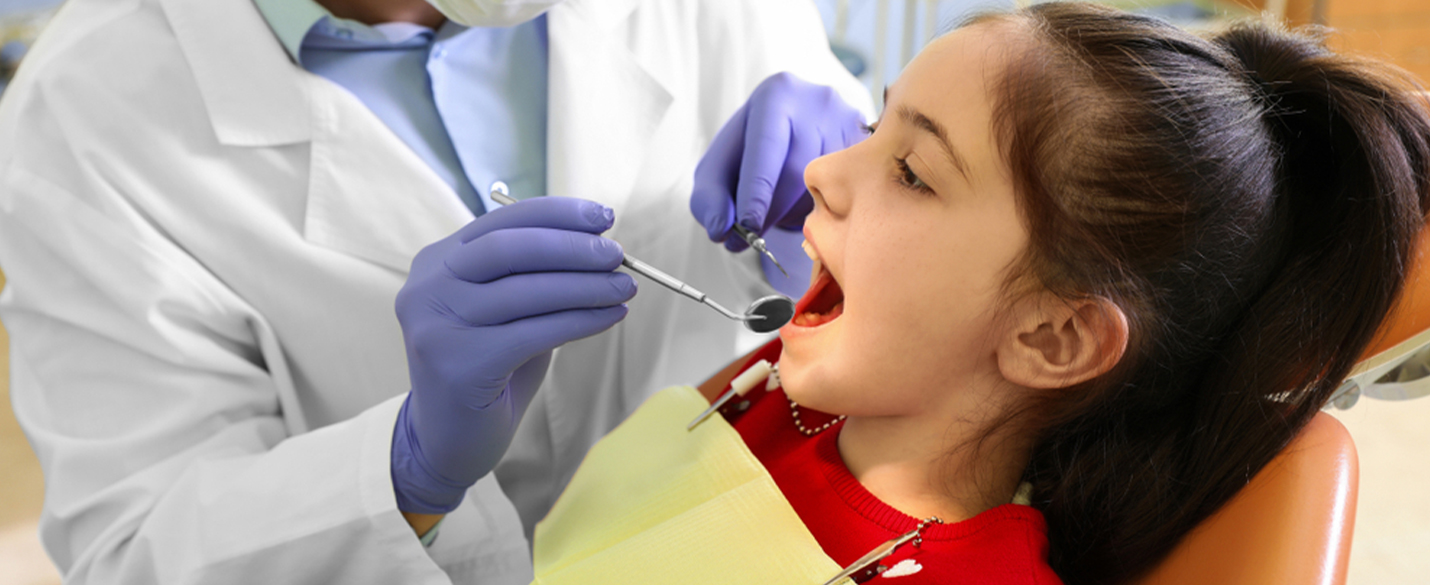
Dental Treatments Commonly Used for Children
Cavity Treatment
Cavities can occur in primary teeth as well as permanent teeth. If decay develops, a dental professional may recommend treatment based on the size and location of the cavity.
Treating decay can help protect the affected tooth and prevent the problem from progressing.
Primary teeth are also important because they help children chew, speak, and maintain space for permanent teeth.
Dental Sealants
Sealants are protective materials that can be applied to certain chewing surfaces of teeth.
The grooves on back teeth can sometimes be difficult to clean thoroughly. A sealant may provide an additional protective barrier in appropriate cases.
A dental professional can determine whether sealants are suitable for a child.
Monitoring Tooth Development
Children’s mouths change as they grow.
Dental visits allow professionals to monitor:
- Tooth eruption
- Spacing
- Jaw development
- Bite changes
- Areas that may require further evaluation
Early observation can help identify concerns before they become more complicated.
Dental Care Needs for Adults
Preventive Visits Still Matter
Adults sometimes think dental appointments are only necessary when something hurts. However, many dental problems may not cause noticeable symptoms during their early stages.
Routine examinations and cleanings can help identify potential problems and support ongoing oral health.
Adult dental care may include preventive services as well as treatment for existing conditions.
Treating Tooth Decay
Adults can develop cavities for many reasons, including dietary habits, oral hygiene, dry mouth, and other factors.
When decay is identified, the appropriate treatment depends on how extensively the tooth has been affected.
Early treatment may involve a filling, while more advanced damage may require a different approach.
Caring for the Gums
Healthy gums are an important part of overall oral health.
Warning signs of gum problems can include:
- Bleeding during brushing
- Swollen gums
- Persistent bad breath
- Gum tenderness
- Changes around the teeth
Adults should discuss persistent symptoms with a dental professional rather than waiting for them to disappear.
How Adult Dental Treatment Can Differ
Restorative Dental Care
Adults may require restorative care because of decay, previous dental work, injuries, or normal wear.
Depending on the situation, treatment may involve:
- Fillings
- Crowns
- Bridges
- Root canal treatment
- Replacement of missing teeth
The recommended option depends on the condition of the tooth and the patient’s overall oral health.
Cosmetic Dental Care
Some adults seek treatment to change the appearance of their smile.
Cosmetic options can address concerns involving:
- Tooth color
- Tooth shape
- Minor spacing
- The appearance of certain restorations
Cosmetic treatment should still begin with an assessment of oral health. Existing problems may need to be addressed before elective cosmetic procedures.
Why Family Dental Care Can Be Convenient
One Practice Can Serve Different Age Groups
Families often have different dental needs at the same time.
A child may need a routine examination while a parent needs restorative treatment. Having access to care for different age groups can make scheduling easier.
Families looking for Family Dentists in Toms River may want to consider practices that can provide age-appropriate care while maintaining continuity for the household.
Parents Can Better Manage Appointments
Family dental care can reduce the need to coordinate appointments with several different offices.
It may also help parents keep track of routine examinations and recommended follow-up visits.
For families seeking Dental Care in Toms River, choosing a practice that understands both pediatric and adult needs can make regular oral care more manageable.
How to Prepare Children for Dental Visits
Keep Explanations Simple
Children can become nervous when they do not know what to expect.
Parents can explain a dental visit using simple, positive language. Avoid describing procedures in a frightening way or sharing personal dental fears with children.
The goal is to make the appointment feel familiar rather than mysterious.
Encourage Questions
Children may have questions about the dental chair, instruments, or what the dentist will do.
Allowing them to ask questions can help them understand the experience.
A calm conversation before the appointment can also give the child an opportunity to express concerns.

How Adults Can Prepare for Treatment
Share Your Dental History
Adults should provide accurate information about previous dental treatment, medications, allergies, and relevant health conditions.
This information can help the dental team understand the patient’s situation and plan appropriate care.
Explain Your Main Concern
If you have a specific concern, explain it clearly.
For example, you may be experiencing:
- Tooth sensitivityIn the context of laboratory equipment or analytical techniques, the term "sensitive" describes the capability of a machine or method to detect even very small amounts or concentrations of a substance. Sensitivity is a quantitative Read Full Definition
- Pain
- Bleeding gums
- Difficulty chewing
- A broken tooth
- A cosmetic concern
Clear information can help the dental professional determine what needs to be evaluated.
Signs That You Should Schedule a Dental Visit
Symptoms That Should Not Be Ignored
Some dental problems can worsen when treatment is delayed.
Contact a dental professional if you experience persistent:
- Tooth pain
- Sensitivity
- Gum bleeding
- Swelling
- Bad breath
- Difficulty chewing
- Damage to a tooth
A dental examination can help determine what is causing the problem.
Children May Show Different Signs
Children do not always explain dental discomfort clearly.
Parents should pay attention to changes such as:
- Avoiding certain foods
- Chewing on one side
- Complaining about tooth pain
- Swollen gums
- Sensitivity to hot or cold foods
- Changes in brushing behavior
These signs may warrant professional evaluation.
Building Better Oral Health Habits at Home
Brushing and Flossing
Daily brushing and cleaning between the teeth are fundamental parts of oral care.
Children should learn these habits early, while adults should continue them throughout life.
The exact brushing technique and products can be discussed with a dental professional based on individual needs.
Food and Drink Choices
Diet can also affect oral health.
Frequent exposure to sugary foods and drinks can contribute to tooth decay. Choosing balanced meals and limiting frequent sugary snacks can support better oral health.
Water can also be a useful choice between meals.
Do Not Rely Only on Home Care
Home care is essential, but it does not replace professional dental examinations.
A toothbrush cannot identify every developing dental problem. Regular visits provide another layer of protection by allowing professionals to assess the condition of the teeth and gums.
Choosing the Right Dental Practice
Consider the Range of Services
A suitable dental practice should provide care that matches your family’s needs.
A Dental Care Clinic may offer preventive, restorative, and other services under one roof.
Before choosing a practice, consider whether its services match what you and your family are likely to need.
Look at Communication and Comfort
Good communication matters for both children and adults.
Patients should feel comfortable asking questions about:
- Treatment options
- Costs
- Expected appointments
- Aftercare
- Preventive recommendations
Children may also benefit from an environment where dental care is explained in a calm and age-appropriate way.
Consider Local Convenience
Location can affect how easily a family maintains regular appointments.
For residents searching for Toms River Dentists, choosing a conveniently located practice can make routine visits easier to maintain, especially when several family members need appointments.
What Good Dental Care Looks Like Over Time
Prevention Comes Before Problems
The best approach to oral health is not simply waiting for a problem and treating it afterward.
Preventive care focuses on maintaining healthy teeth and gums while identifying potential concerns early.
This includes regular professional visits combined with daily home care.
Treatment Should Match the Patient
There is no single dental treatment plan that works for everyone.
Age, oral health, medical history, habits, previous treatment, and individual concerns can all affect recommendations.
A child and parent visiting the same practice may therefore receive completely different care.
That is not a sign of inconsistent treatment. It reflects the fact that dental care should be tailored to the person receiving it.
Making Dental Care Part of Family Life
Keep Appointments Consistent
Regular appointments are easier to maintain when they become part of the family’s routine.
Parents can help by scheduling visits ahead of time and keeping track of recommended follow-ups.
Children who regularly see a dental professional can also become more familiar with the process as they grow.
Focus on Long-Term Oral Health
A healthy smile is not created through one appointment.
It develops through repeated habits, preventive care, appropriate treatment, and attention to changes in oral health.
For families seeking Best dental care, the focus should be on consistent, age-appropriate treatment rather than waiting until a serious problem develops.
Final Thoughts
Dental treatment looks different at different stages of life. Children need care that supports developing teeth and teaches healthy habits, while adults may require preventive, restorative, or cosmetic services based on their individual needs.
Regular dental examinations, good home care, and timely attention to symptoms can help protect oral health over the long term.
Families do not need to approach dental care as a one-size-fits-all process. The right treatment depends on the patient’s age, condition, concerns, and goals.
Whether you are arranging your child’s first dental visits or looking after your own smile, consistent professional care can make oral health easier to manage.
For families considering Dental Care in Toms River, discussing your specific needs with a dental professional is a practical starting point for creating an appropriate care routine.
FAQs
When should children first start visiting a dentist?
Children should begin dental visits early in life so professionals can monitor developing teeth, provide preventive guidance, and help parents establish healthy oral care habits. Your child’s dentist can recommend an appropriate ongoing visit schedule.
How often should adults schedule routine dental checkups?
The appropriate appointment schedule depends on individual oral health needs. Some people may need more frequent visits because of specific dental or gum concerns. Your dental professional can recommend a schedule based on your situation.
Can one dentist treat both children and adults?
Many family dental practices provide care for different age groups, although available services vary between practices. Ask about pediatric and adult services when selecting a dental office for your household.


