





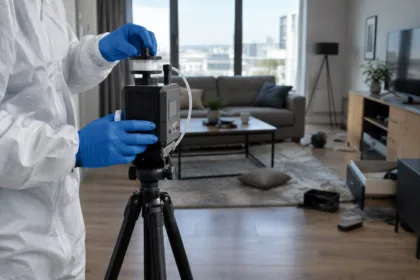
Airborne DNA Could Help Identify Burglars, Study Finds
A new study recovered airborne DNA from simulated burglars, but detection differed widely between laboratories. Here is what the findings mean for forensic evidence.
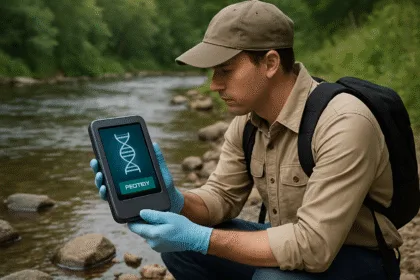
A New Era of Rapid eDNA Extraction for On-Site Forensic Analysis
New research on rapid DNA extraction methods for environmental DNA (eDNA) reveals that simple, heat-based solutions are more effective than traditional lab kits, paving the…

Environmental Forensic Science: Uncovering Clues for Conservation Efforts
Discover how environmental forensic science combats wildlife crime, pollution, and habitat destruction. Explore modern techniques like DNA analysis, satellite imaging, and chemical detection to preserve…

Airborne DNA And Its Potentials as a eDNA Source
Unveiling the potential of environmental DNA (eDNA) collection from air for forensic investigations, this review discusses methodologies, applications, challenges, and the path forward in integrating…

Environmental DNA revealed a 2 two million-year-old biodiversity in Greenland.
The oldest known DNA revealed that Greenland was a lush landscape of trees and vegetation with an array of animals, even the now-extinct mastodon.
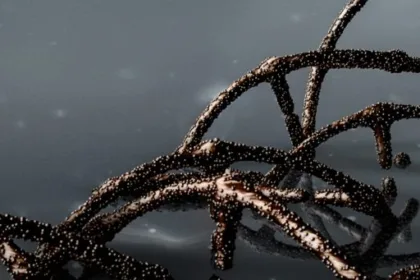
Is Environmental DNA the Future of Forensic Testing?
Organisms shed their DNA into the environment as skin particles, cells, and liquids, even while still alive. When these DNA fragments are sequenced they can…
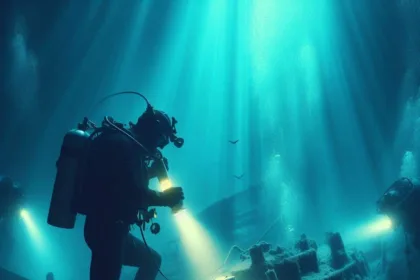
‘Environmental DNA’ Lets Scientists Probe Underwater Life
Discover how environmental DNA (eDNA) technology is revolutionizing marine biology, enabling scientists to study underwater life more efficiently and non-invasively.