




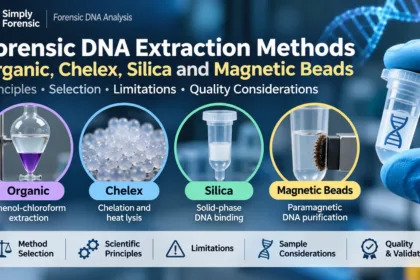
Forensic DNA Extraction Methods: Organic, Chelex, Silica and Magnetic Beads
Compare organic, Chelex, silica and magnetic bead forensic DNA extraction methods, including sample selection, inhibitors, STR/MPS compatibility and quality controls.
Y-STR Evidence Helps Close Melissa Ann Smith’s 1974 Cold Case After 52 Years
Utah investigators used preserved Y-STR evidence and other findings to close Melissa Ann Smith’s 1974 homicide case in October 2026. Here is what the DNA…
Syria Reports First DNA Identifications of Missing People
Newly reported DNA identifications in Syria include seven members of a family missing since 2017. Here is what the forensic work shows, and what remains…
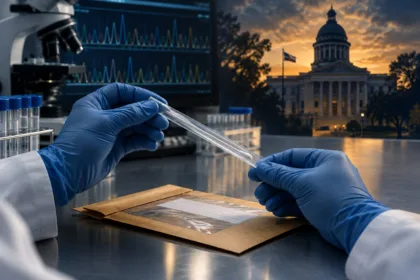
The DNA Beneath the Fingernails: What the Murdaugh Retrial Can—and Cannot—Prove
A judge has permitted independent testing of unidentified male DNA recovered beneath Maggie Murdaugh’s fingernails. This forensic analysis explains what retesting may establish, why fingernail…
New Forensic DNA Survey Links Contamination Concerns to Workload and Fatigue
A new October 2026 survey of 100 forensic practitioners highlights workload, fatigue and time pressure as perceived DNA contamination risks, with important limits.
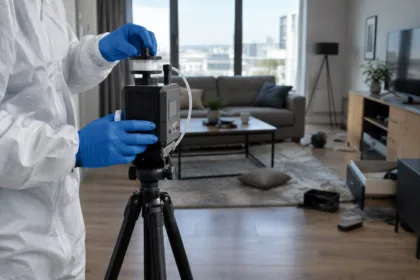
Airborne DNA Could Help Identify Burglars, Study Finds
A new study recovered airborne DNA from simulated burglars, but detection differed widely between laboratories. Here is what the findings mean for forensic evidence.
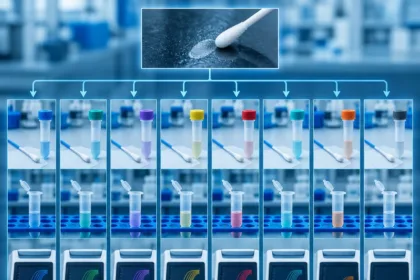
Why Identical Touch-DNA Samples Produce Different Results Across Laboratories
An eight-laboratory study shows how sampling, extraction, quantification and interpretation methods can reshape touch-DNA results—and why TPPR data must be checked for method comparability before…
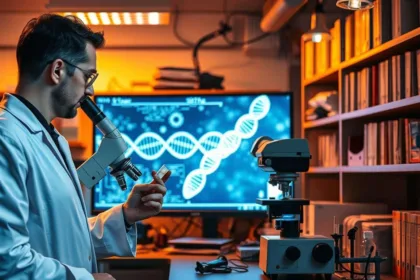
Short-Read vs Long-Read mtDNA Sequencing: Which Is Better for Forensic Casework?
A 2026 pedigree-based study comparing short- and long-read mitochondrial genome sequencing found no single winner: long reads improved coverage uniformity and NUMT discrimination, while short…
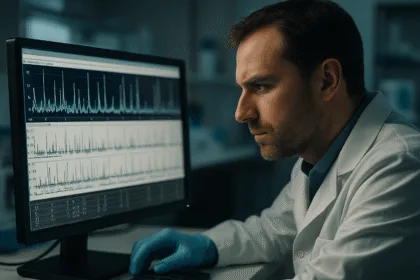
How Large Should a Forensic DNA Population Database Be? New 8,237-Person Study Tests the Numbers
A new study of 8,237 Argentines shows that forensic DNA database sample size depends on the question: combined statistics stabilize early, but rare alleles need…
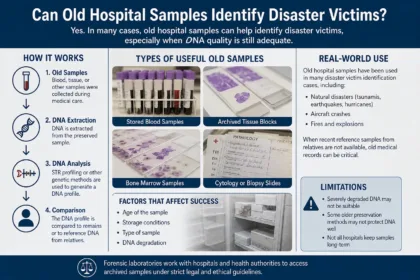
Can Old Hospital Samples Accurately Identify Disaster Victims?
Archived biopsies, cytology slides, diagnostic swabs and blood samples may provide direct antemortem DNA references when personal items or close relatives are unavailable—but their use…
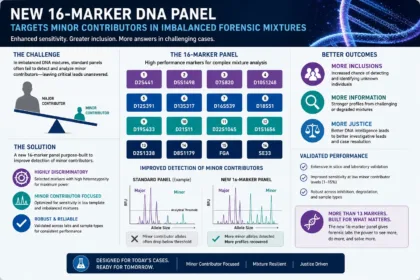
New 16-Marker DNA Panel Targets Minor Contributors in Imbalanced Forensic Mixtures
A new 16-plex DIP-SNP assay detected a minor DNA contributor at a 1:20 mixture ratio under optimized conditions, offering a potential supplement to conventional forensic…
Four New Forensic DNA Standards Added to the OSAC Registry in 2026
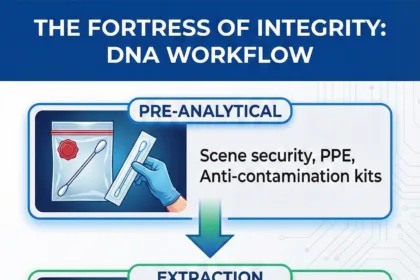
NIST’s OSAC Registry added four 2026 forensic DNA standards covering contamination control, STR analysis training, CODIS training, and DNA reporting and review.