





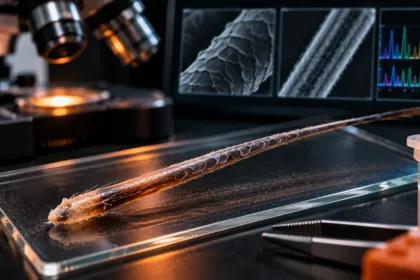
Hair Examination in Forensic Science: Microscopy, DNA Analysis and Evidential Limitations
Learn forensic hair examination from collection and comparison microscopy to nuclear and mitochondrial DNA, including interpretation limits, case examples and reporting.
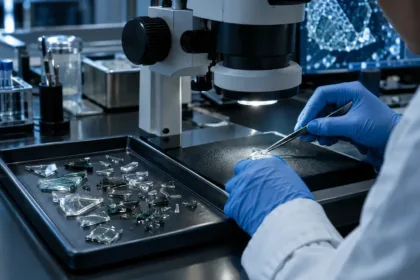
Forensic Glass Analysis: Refractive Index, Elemental Composition and Interpretation
How glass fragments are recovered, compared by refractive index and elemental methods, and reported without overstating a source association.
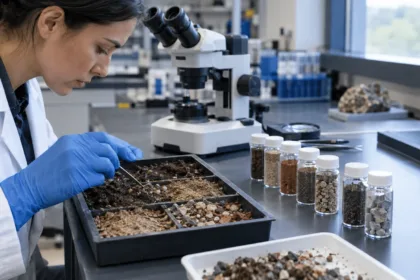
Forensic Geology: How Soil and Mineral Evidence Is Compared
Explore forensic geology, soil evidence recovery, mineralogical and chemical comparison, variation between locations, and limits of source attribution.
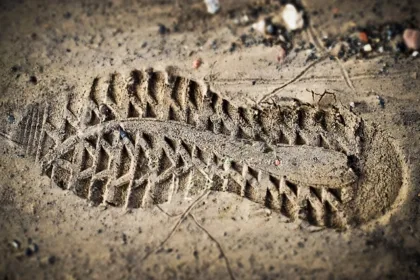
Footwear Impression Evidence: Recovery, Comparison and Limitations
A practical guide to recovering footwear impressions, comparing outsole features, and interpreting what a shoeprint can—and cannot—show in forensic casework.
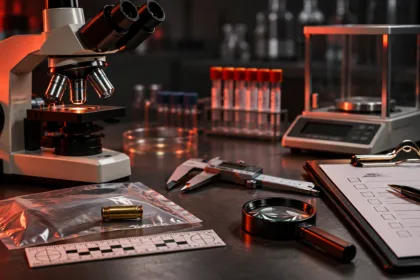
NIST Adds Four Forensic Standards to OSAC Registry in October 2026
NIST’s October 6 OSAC update adds four standards covering mobile-device evidence, audio and video redaction, trace-evidence reporting, and inspection-body competence.

Forensic Onychology: Unraveling Crimes Through Nail Evidence
Explore forensic onychology and its role in solving crimes using advanced nail analysis techniques. Learn about DNA, toxicology, and modern forensic methods.

Trace Evidence in Forensic Science: Definition & Sources Explained
Explore the definition, types, and significance of trace evidence in forensic science. Learn about modern collection techniques, lab analysis, and emerging technologies shaping investigations.

Shattered Glass on Bullets: A New Frontier in Forensic Science
Assistant Professor Shirly Montero's forensic glass analysis method uses tiny glass fragments on bullets to solve crimes, offering new insights into shooting scenarios.

Investigating Fibre Persistence in Aquatic Environments
A study led by Afsané Kruszelnicki explores textile fiber persistence in aquatic environments, challenging forensic science perceptions and potentially revolutionising the interpretation and collection of…
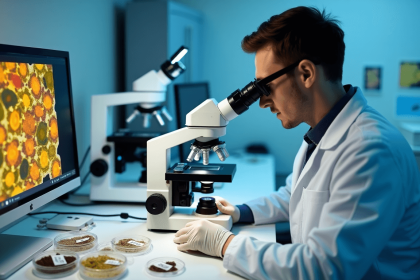
How Microscopic Pollen Became the Silent Witness: Forensic Palynology
Forensic palynology is the application of the study of pollen and spores to investigate legal matters in criminal and civil cases, often used to establish…
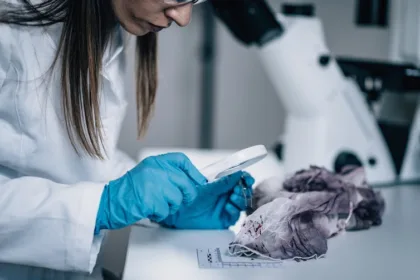
Forensic breakthrough helps explain how innocent people’s clothing fibres could end up at crime scenes
New forensic research shows that fibres can transfer without direct contact, raising critical questions about fibre evidence in criminal cases. Learn more about this breakthrough.