Editor’s Overview
The strongest theme this week is capacity: forensic evidence has value only when it is collected, processed and interpreted with care and when results reach investigators and courts in time. A 16 November report from Maharashtra describes the scale of a regional laboratory backlog. At the same time, Houston’s progress with Rapid DNA shows how new capability must be matched to validated sample types, trained operators and sound case management.
Research highlights range from dual recovery of human DNA and fingertip microbiome signatures to a preprocessing workflow for forensic CT imaging. A new anthropological standard and court-related scrutiny of expert evidence provide a reminder that scientific advances do not replace documentation, transparency or independent evaluation. Stories are dated by publication or reported development; earlier events are clearly identified as background.
Top Forensic News
Lead story · India · Reported 16 November 2026
Maharashtra’s forensic backlog is a capacity and justice problem
According to figures reported by Hindustan Times, Maharashtra began October with 54,313 pending forensic cases, including 14,295 at the Kalina laboratory in Mumbai. The report states that 377 of 1,486 sanctioned posts were vacant; cyber examinations accounted for 30,387 pending cases. The figures concern October casework and were reported on 16 November, not newly audited this week.
Why it matters: delays can affect bail, case strategy and trial preparation. Useful remedies require triage, recruitment, effective quality systems and realistic turnaround targets; purchasing instruments alone will not remove the underlying bottleneck.
United States · NIST · Released 16 November
Forensic and biometric exchange rules gain a machine-readable companion
NIST published IR 8616, describing a modular JSON representation of ANSI/NIST-ITL 1-2025 biometric and forensic data-interchange requirements. The report explains the architecture and automated generation of a human-readable specification from structured data.
Why it matters: software developers and laboratories may be able to implement and test data interchange more consistently. The report is a technical implementation framework, not evidence that every existing exchange system has been validated or made interoperable.
Research Highlights
Journal of Forensic Sciences · Accepted/in press 17 November
Can a single fingermark yield both human DNA and microbiome information?
Di Nunzio and colleagues examined fingertip microbial variability in 20 donors and, separately, the co-recovery of human STR and microbial DNA from fingermarks contributed by another 20 donors. Most experimental samples produced substantially complete STR profiles alongside microbial data, despite low DNA-template quantities.
Interpretation: donor-specific variation is promising, but microbial signatures are affected by sampling, time and environment. This small controlled study does not establish a validated personal-identification method for operational casework.
International Journal of Legal Medicine · Published 17 November
Reproducible CT preprocessing for forensic anthropology
Jani and colleagues at NFSU and Pandit Deendayal Energy University evaluated a three-stage pipeline for de-identification, patient-table removal and bone segmentation of thoracic CT images. In 200 examined datasets, the study reported successful patient-table removal in 192/200 cases and a 93.12% Dice score for bone segmentation.
Why it matters: standardized preprocessing can make digital anthropological research more reproducible and help protect personal information. The reported model performance is specific to the evaluated dataset and does not establish forensic identification accuracy.
Scientific Reports · Published online 17 November
Temperature changes complicate time-since-death estimation
A German research team used a Bayesian double-exponential cooling framework to reconstruct a sudden environmental temperature change from two monitored closed compartments. In controlled climate-chamber scenarios, the approach improved certain reconstruction errors relative to a simpler model.
Why it matters: algor mortis estimates can be biased when investigators assume a constant ambient temperature. This paper is a proof of concept, not a clinically or forensically validated replacement for established time-since-death protocols.
Already covered on Simply Forensic: This week we published separate research reviews on magnetic fingerprint powder composition and safety, forensic microbiome machine learning, and DNA persistence in buried bloodstains. Rather than reproduce them here, the links lead to the longer technical analyses. New research discussed above is not yet equivalent to routine forensic validation.
Cases & Courts
United Kingdom · Investigative report 18 November
Expert-witness disclosure questions in the Lucy Letby case
A Guardian investigation reported that a clinical expert who gave evidence about alleged insulin poisoning at Letby’s trial had been restricted from treating patients during the proceedings over separate patient-safety concerns. The report says those restrictions were not disclosed to the defence or jury. Letby’s convictions remain in place; the article is a report about disclosure and credibility concerns, not a court finding that the convictions are unsafe.
Why it matters: the case illustrates why potentially relevant expertise, limitations, professional restrictions and disclosure obligations require careful documentation and legal review.
India · Court reporting 20 November
Meghalaya laboratory disruptions under judicial scrutiny
Reporting from Shillong says the Meghalaya High Court examined deficiencies at the state forensic laboratory, where shortages had stopped DNA testing and equipment faults had interrupted drug testing. Government counsel said remedial proposals had been accepted and awaited financial approval. The court called for an updated status report and listed further proceedings for 30 November.
Why it matters: judicial oversight can expose how consumables, maintenance and staffing shape the availability of expert evidence. Acceptance of a proposal is not the same as restoring a validated service.
Technology & Laboratories
Houston, United States · November 2026 laboratory newsletter
Rapid DNA moves into Houston’s accredited scope—with limits
Houston Forensic Science Center reports that its accreditation scope now includes Rapid DNA testing. Its current accredited use is focused on buccal reference swabs; the laboratory says separate validation for crime-scene samples is nearing completion, with testing anticipated in early 2027. Its newsletter describes automated STR profiling in about 90 minutes and emphasizes licensed operators and CODIS eligibility requirements.
Why it matters: faster technology does not make low-template or mixed evidence suitable for every platform. Distinguish current validated reference-sample testing from the future crime-scene workflow. The newsletter discusses work already underway; no exact accreditation decision date is established here.
Standards & Policy
AAFS Standards Board · Announcement 20 November
ANSI/ASB Standard 225 published for skeletal preparation and sampling
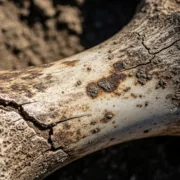
The AAFS Standards Board announced the first edition of ANSI/ASB Standard 225 (2026), addressing documentation, preparation, sampling and preservation of skeletal remains. The requirements aim to reduce contamination, unnecessary destruction and adverse changes during examination and curation.
What laboratories should check: compare relevant SOPs for handling and destructive sampling, contamination control, preservation and recording decisions. Publication does not by itself establish that any particular laboratory is accredited to the standard. Simply Forensic’s dedicated report was published on 22 November, after this edition’s reporting window, and is linked here for subsequent reading.
AAFS Standards Board · Open consultations
Toxicology scope, e-signatures and training proposals invite scrutiny
The 20 November bulletin lists open comments on proposed revised ASB Standards 120 and 121 on toxicological analytical scope and sensitivity (deadline 21 December), as well as proposed guidance on serial-number restoration, electronic signatures and detection-canine training aids. It also announces new revision projects for standards related to forensic DNA amplification and capillary sequencing training.
Why it matters: laboratories should evaluate prospective requirements early, but avoid describing drafts as adopted or effective standards. The ASB 199 familial DNA searching article published here on 15 November covers a separate, earlier standard rather than a newly issued item this week.
This Week’s Learning
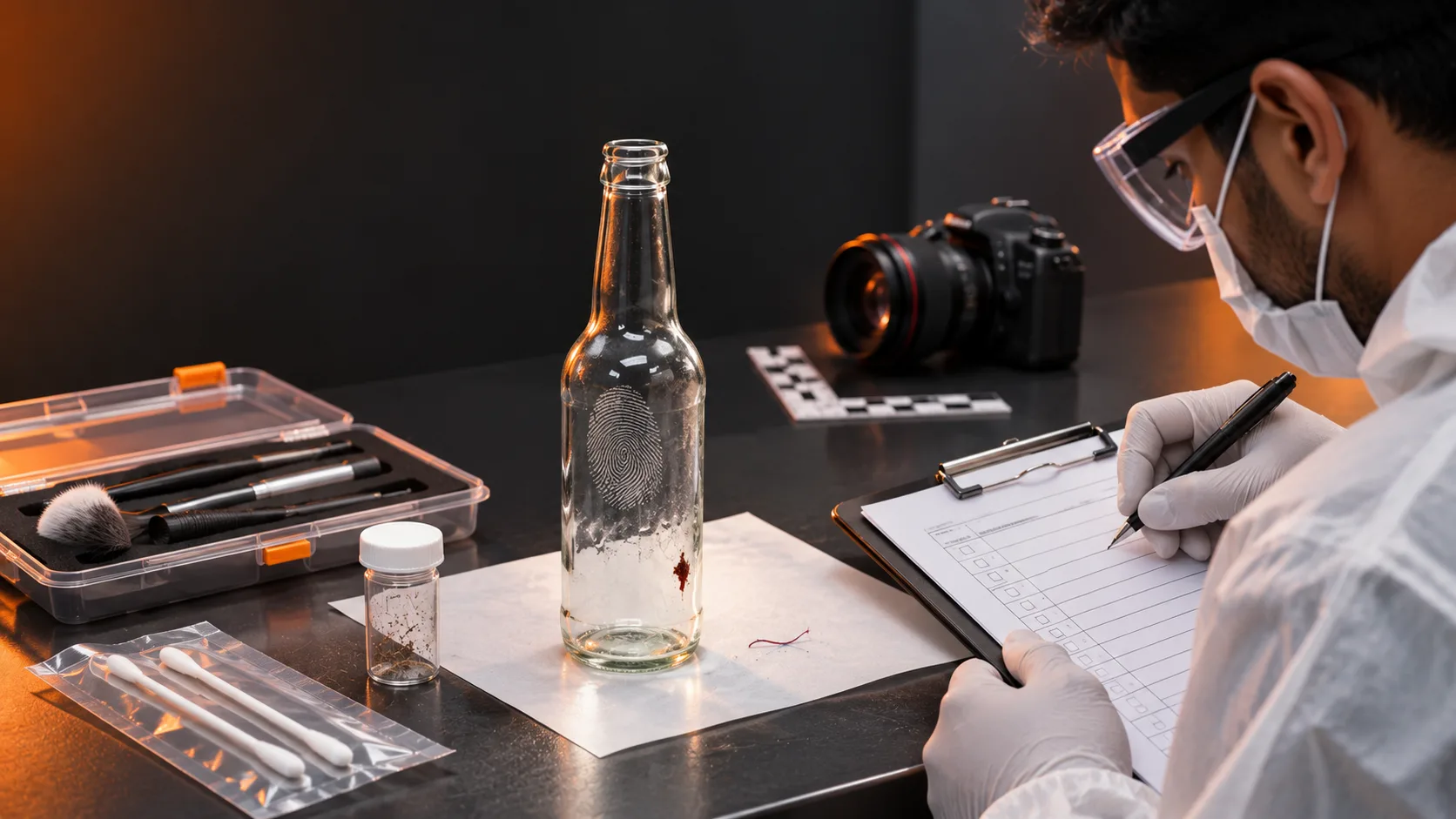
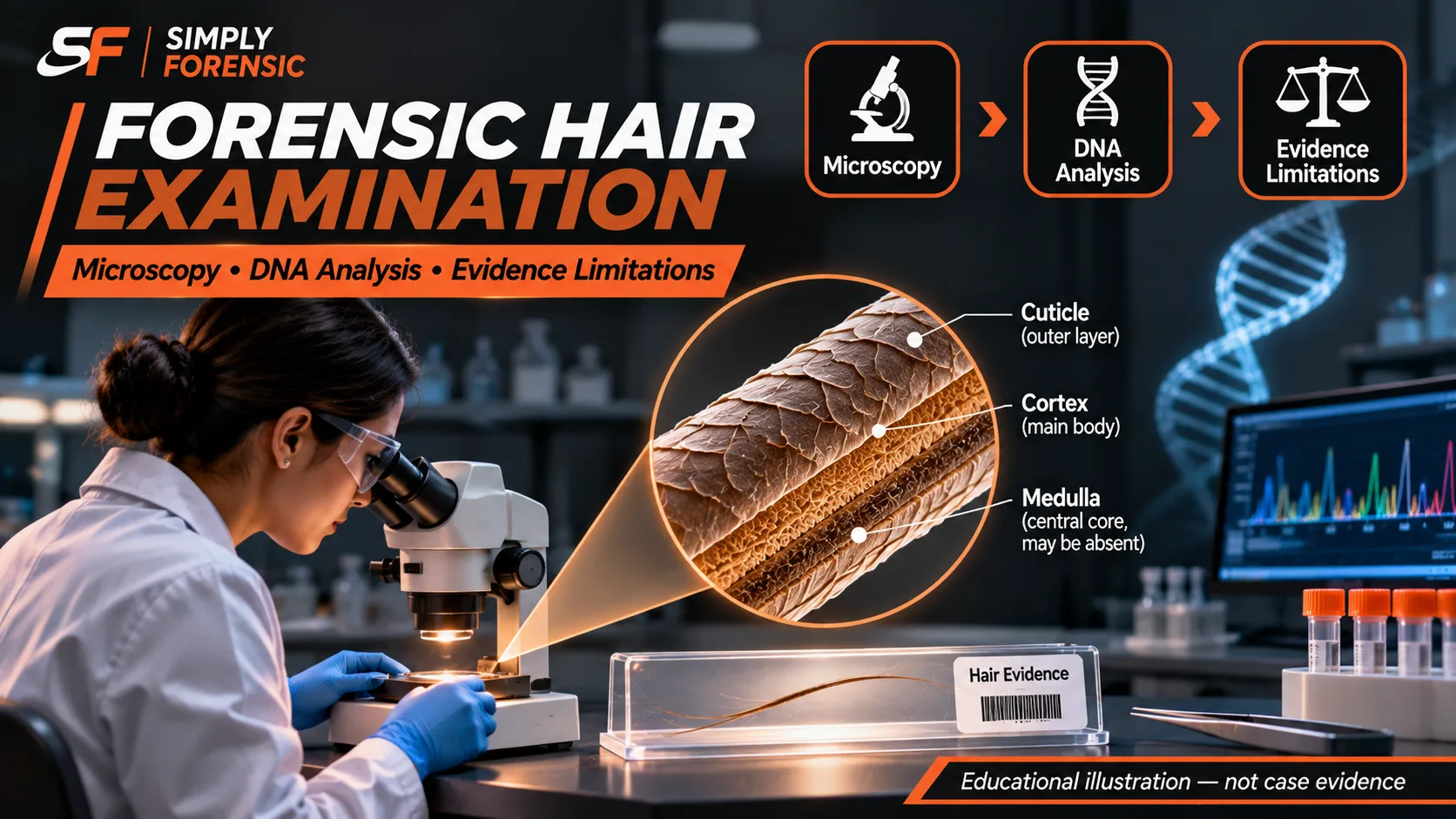
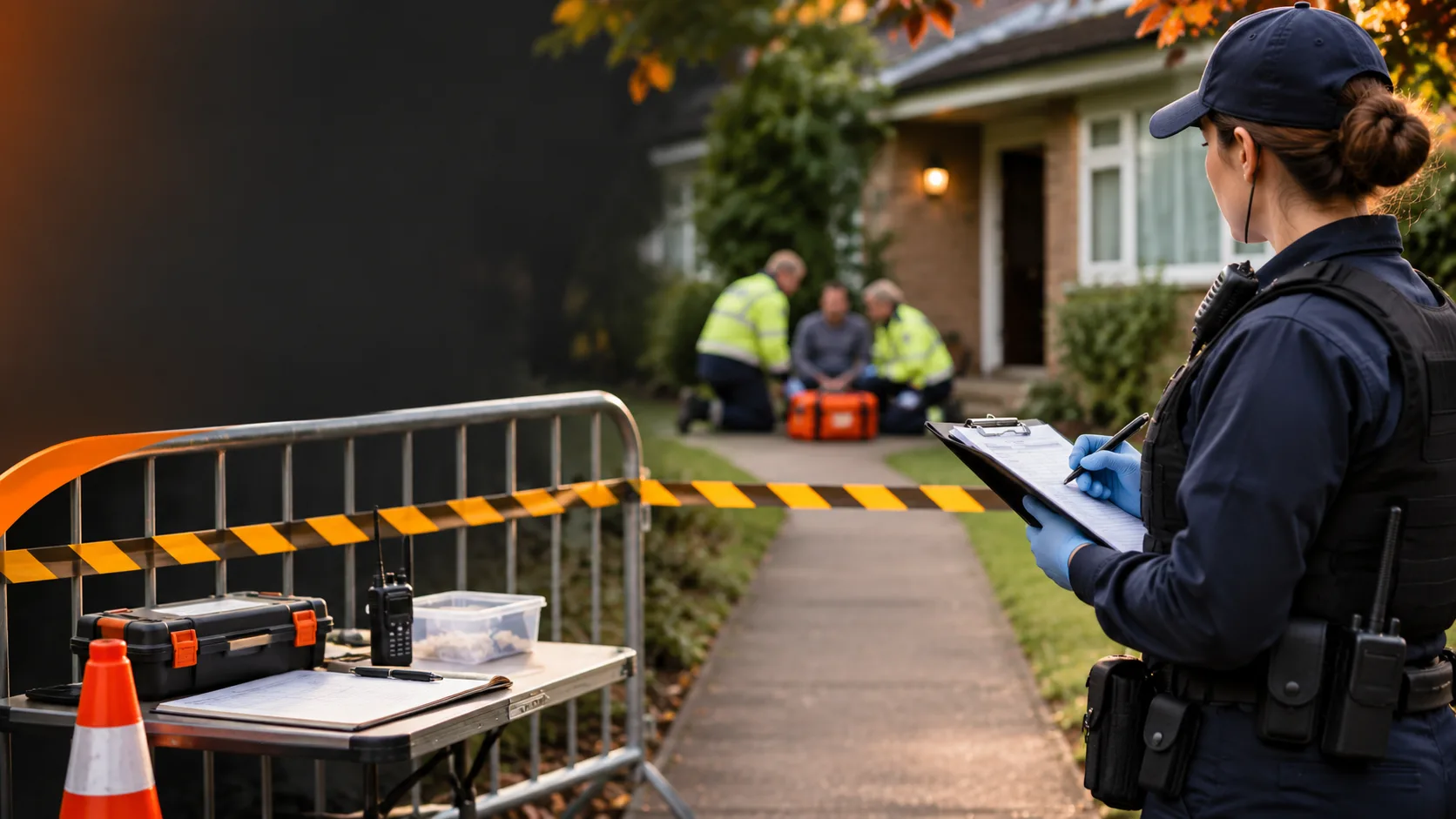
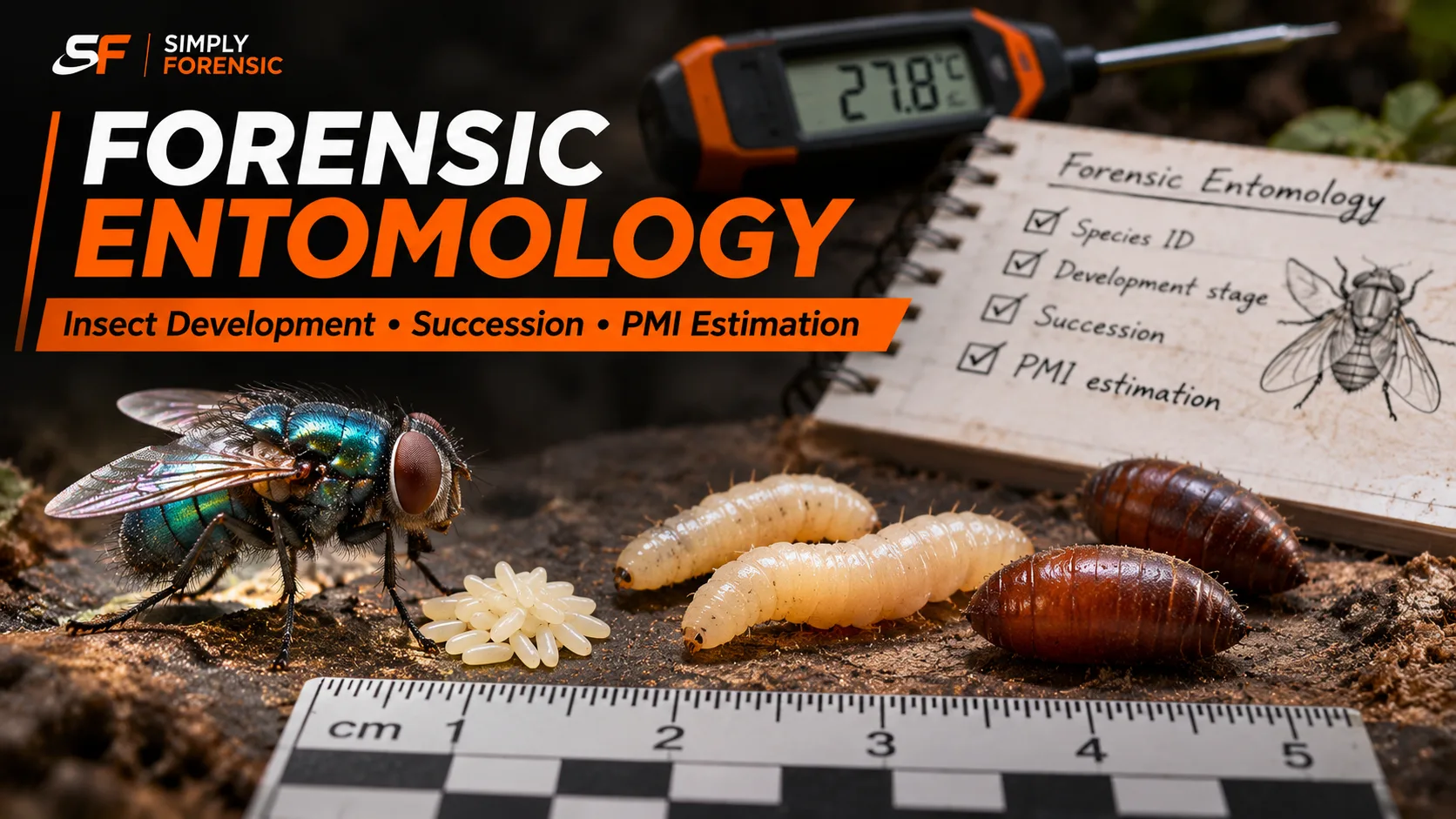
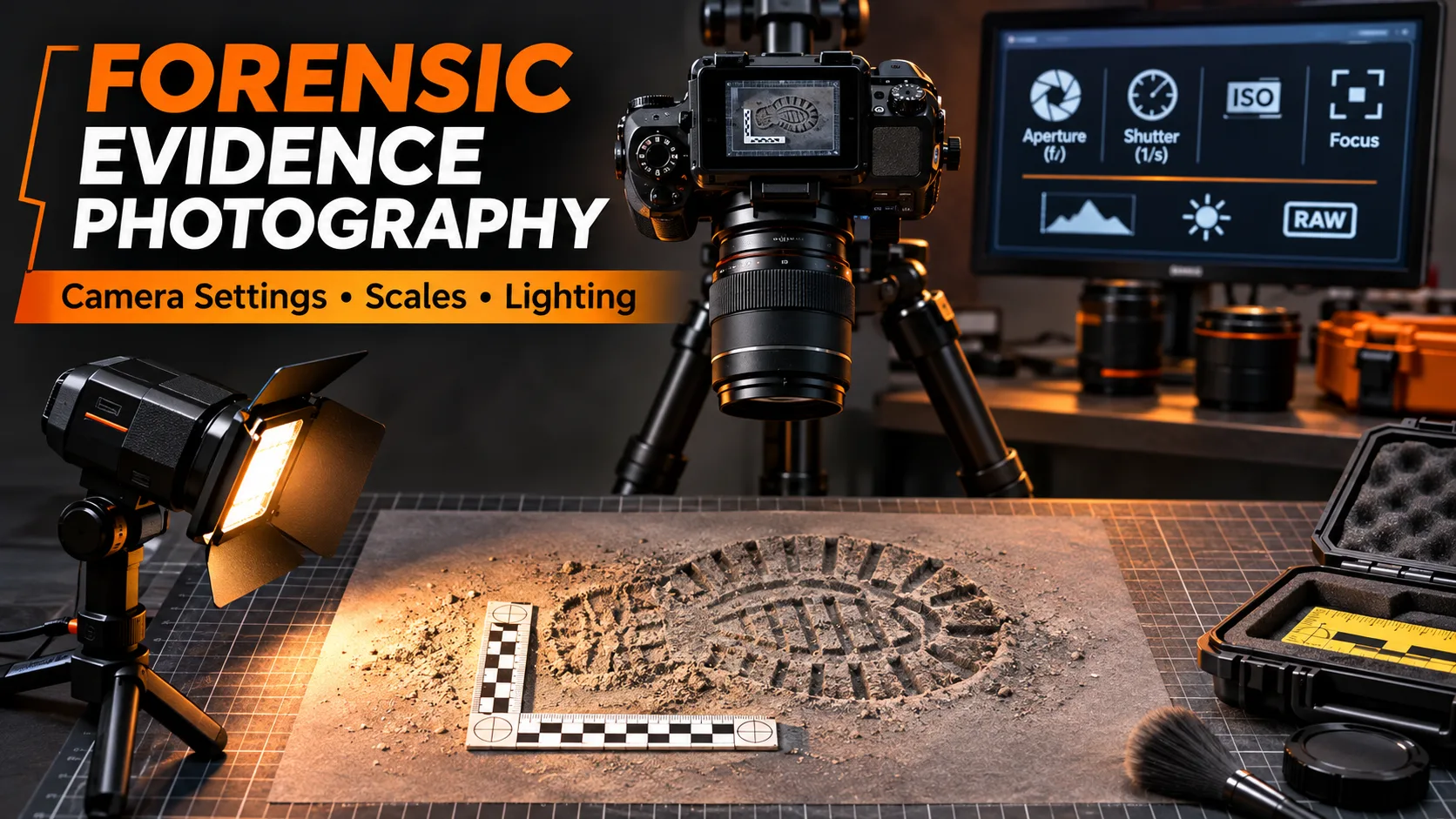
Explore the latest educational guides published on Simply Forensic during 15–21 November 2026, with practical insights into crime-scene investigation, trace evidence, digital forensics and biological evidence.
What to Watch
- 30 November: scheduled Meghalaya High Court follow-up concerning forensic laboratory conditions; verify any orders before reporting a service restoration.
- 21 December: scheduled close of ASB 120 and 121 public-comment periods; check for revised deadlines or withdrawn drafts.
- Early 2027: Houston’s anticipated expansion of Rapid DNA to crime-scene samples, subject to completion of method validation and operational requirements.
- Research translation: further multisite validation is needed before fingertip microbiome signatures, CT preprocessing models or experimental temperature reconstruction can be relied upon in casework.
Browse all Forensic Science Weekly editions
Sources & Further Reading
- Hindustan Times, 16 Nov: Maharashtra laboratory backlog and staffing
- NIST, 16 Nov: IR 8616 machine-readable data exchange specification
- University of Eastern Piedmont research record, 17 Nov: fingertip microbiomes and human DNA
- Jani et al., 17 Nov, International Journal of Legal Medicine: CT preprocessing (DOI 10.1007/s00414-026-04076-6)
- Scientific Reports, 17 Nov: ambient temperature reconstruction study
- The Guardian, 18 Nov: reporting on expert-witness restrictions and disclosure
- Highland Post, 20 Nov: Meghalaya forensic laboratory proceedings
- Houston Forensic Science Center, November 2026 official newsletter: Rapid DNA and accreditation scope
- AAFS Standards Board, 20 Nov: Standard 225 publication and open consultations
Editorial standards: Every reporting date is separated from the date of an underlying case or research experiment. Preprints, early-stage methods and technical announcements are not treated as validated routine practice. Allegations and disputed legal matters remain attributed. Corrections and updates should identify their supporting sources and dates.