The AAFS Standards Board announced a new forensic anthropology standard on 20 November 2026. ANSI/ASB Standard 225, First Edition (2026), addresses a deceptively important part of skeletal examination: what happens to human remains before, during and after preparation or sampling. The rules are designed to reduce avoidable contamination, damage and loss of information while allowing investigators to examine material that may be essential to identification or reconstruction.
The document is titled Standard for Skeletal Preparation and Sampling in Forensic AnthropologyForensic anthropology is a special sub-field of physical anthropology (the study of human remains) that involves applying skeletal analysis and techniques in archaeology to solving Read Full Definition. The AAFS announcement dated 20 November identifies it as newly published. The official ASB standard page lists the first edition as published. Its front matter distinguishes ASB approval in May 2026 from ANSI approval in November 2026. Those are separate steps; this week’s development is the public announcement of the final published standard, not the start of its drafting process.
Document: ANSI/ASB Standard 225, First Edition (2026)
Field: Forensic anthropology
Announced: 20 November 2026
Focus: Documentation, preparation, sampling, conservation and preservation of skeletal evidence
Status: Published ASB standard; no claim of universal legal adoption or OSAC Registry inclusion
Why skeletal preparation is an evidence decision
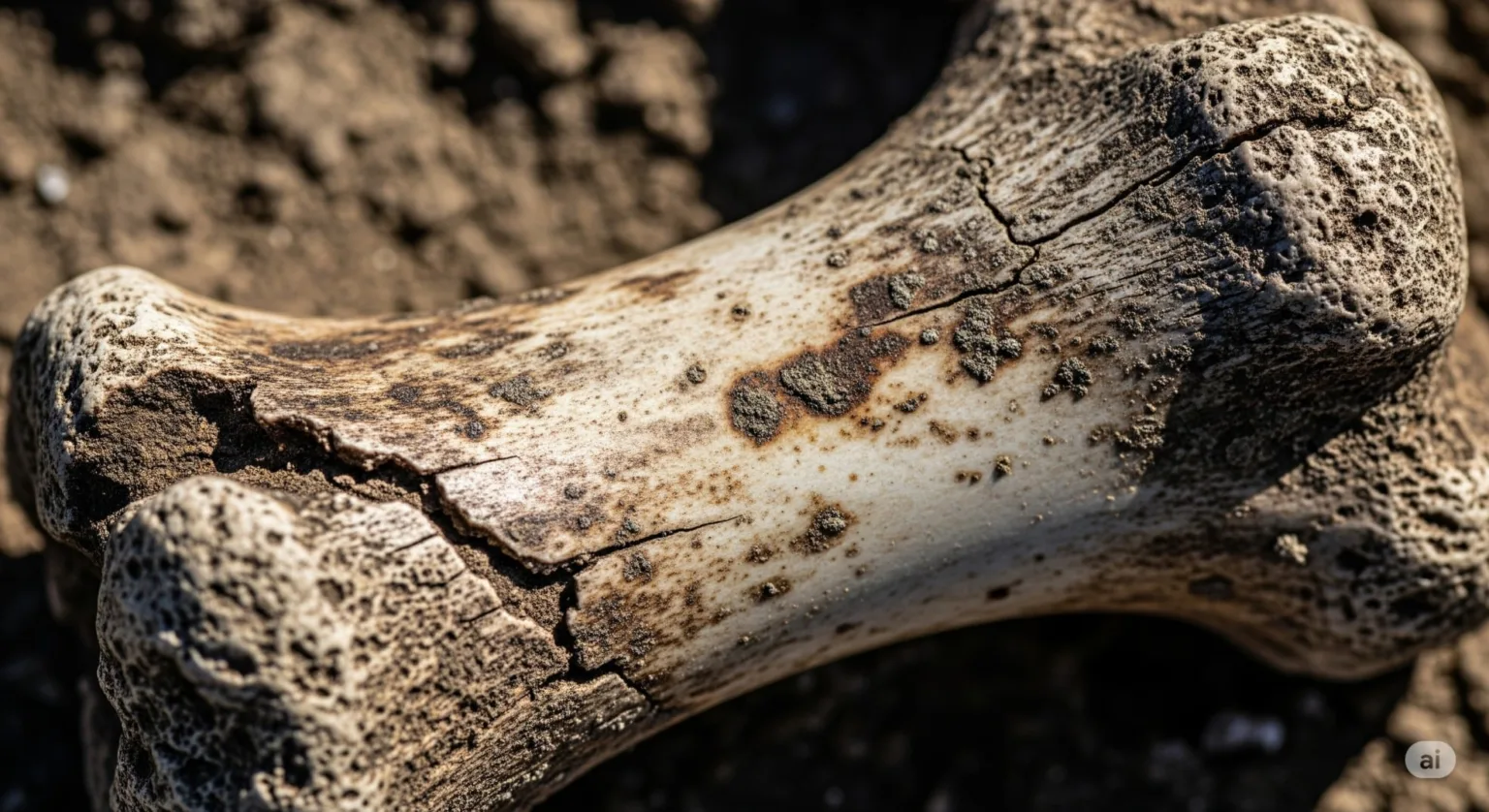
Bone preparation is sometimes presented as a routine cleaning step. In casework, it can be a consequential analytical decision. Adhering soft tissue may conceal trauma, pathology, anatomical features or foreign material. Removing it can improve examination, but aggressive handling may also alter bone surfaces, dislodge small fragments or affect material intended for later testing.
The new standard treats preparation and sampling as actions that must be justified and documented in the context of the case. Its scope covers skeletal remains undergoing forensic examination and possible long-term curation. This matters for fragmented remains, decomposed remains, unidentified persons and investigations in which several disciplines may need access to the same material.
What Standard 225 requires
1. Record the condition before anything changes
Practitioners are required to document the condition of remains when received and throughout preparation or sampling, including changes or damage that occur. The standard also calls for photographs before and after preparation or sampling. Examinations such as observations and measurements are to be performed before sampling where applicable, so information is not inadvertently sacrificed by removing material first. Depending on the case, sampling may precede preparation.
2. Consider imaging and other evidence before processing
Medical imaging, such as radiography, is specified before skeletal preparation when possible. Its purpose is broader than finding projectiles: imaging can reveal foreign objects, anatomical variation, trauma, surgical changes or pathological conditions that might be obscured or altered during processing. The practitioner is also directed to coordinate closely with the appropriate medicolegal authority, especially when unexpected non-skeletal evidence appears or destructive testing is contemplated.
3. Limit loss, contamination and avoidable alteration
Personal protective equipment, safeguards against losing small bones or associated evidence, and preparation methods chosen for the condition and planned analysis all feature in the requirements. The standard recognises mechanical methods, controlled immersion-based maceration and entomological preparation when simpler approaches are insufficient. It cautions against damaging chemicals, excessive treatment and unnecessary reconstruction. For maceration, boiling temperatures are prohibited, while time and temperature are monitored; insect-based processing must be monitored to prevent damage or missing elements.
These are not instructions to apply a single preparation method to every case. The appropriate method depends on the remains, the examination question and whether preservation for future study is expected.
4. Treat destructive sampling as a controlled investigative choice
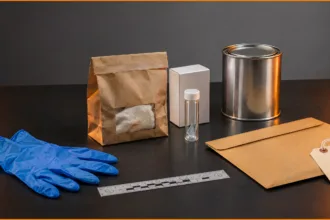
Sampling requires permission from the relevant jurisdictional authority and a defined investigative objective. Examples include DNADNA, or Deoxyribonucleic Acid, is the genetic material found in cells, composed of a double helix structure. It serves as the genetic blueprint for all Read Full Definition testing, stable isotope analysis and histology. Where feasible, samples should come from areas not needed to assess the biological profile, examine trauma or support identification. Sample-handling requirements address contamination control, packaging, unique case identifiers and chain of custody.
This principle has immediate cross-disciplinary relevance. Bone or tooth taken for genetics cannot always be replaced, and taking it from a diagnostically important region may compromise an anthropological question. Laboratories planning skeletal DNA testing should therefore coordinate sampling before material is removed. For the downstream laboratory perspective, see Simply Forensic’s guide to DNA extraction from bone, teeth and degraded remains.
5. Preserve the option to re-examine the remains
Standard 225 also addresses curation after processing. When remains are labelled, those labels must be removable. Long-retained remains should be labelled, and any necessary reconstruction or stabilisation must be documented and reversible. This reflects a practical forensic principle: a case may be reviewed later by another examiner or with a different analytical method, so avoid changes that cannot be undone unless they are necessary and authorised.
What laboratories should review now
- Preparation SOPs: Do they explain method selection and how to avoid preventable alteration?
- Documentation: Are initial condition, photographs, processing changes and instruments recorded?
- Interdisciplinary coordination: Are decisions about imaging, trauma assessment and sampling made with the appropriate medicolegal authority and other specialists?
- Sampling controls: Are objectives, permissions, contamination safeguards, packaging and chain of custody clear?
- Long-term retention: Can markings and stabilisation measures be reversed, and are preservation decisions traceable?
This is an editorial review checklist derived from the published standard, not a substitute for its complete requirements or an official compliance assessment. Facilities should read the full document and map each applicable requirement to their own procedures. Existing evidence-handling guidance, including evidence preservation and packaging, remains relevant but does not replace discipline-specific skeletal procedures.
Publication does not automatically mean mandatory adoption
ANSI/ASB Standard 225 is a newly published consensus standard, not a new law. Its applicability to a particular forensic service provider depends on jurisdiction, accreditation requirements, agency policy, contracts and any decision to implement it. The announcement alone does not establish that all laboratories must comply immediately or that the document has been added to the NIST OSAC Registry. The NIST OSAC Standards Library is a separate resource for checking Registry status.
The development nonetheless gives forensic anthropology teams a current, written basis for reviewing how they prepare, sample and conserve skeletal evidence. It also reinforces a point that extends well beyond anthropology: getting an answer from a specimen should not unnecessarily destroy the opportunity to ask a better question later.
Primary sources and further reading
- AAFS Standards Board newsletter, 20 November 2026 — official announcement of the publication.
- AAFS/ASB: ANSI/ASB Standard 225, First Edition (2026) — publisher’s standard page and access to the complete text.
- NIST OSAC Forensic Science Standards Library — reference for distinguishing published standards from Registry status.
Editorial note: This report concerns the publication announced on 20 November 2026. It does not report a new forensic case result, a new laboratory method or a legal mandate. Readers should consult the primary standard and their governing requirements before changing casework procedures.